Sustainability Unpacked Part 2 – How The Secondhand Rush Rebuilt Fast Fashion
This article is a part of Funktasy’s Sustainability Unpacked series, where we tackle all sides of the sustainability discourse within music, fashion and lifestyle.
There was a time when rummaging through the bins felt like modern-day prospecting. You dug through layers of cotton and polyester, waiting for something to glint back. Pulling a pair of True Religion jeans from the heap was a flake of gold in your palm, earned through patience, luck and a willingness to dig through what everyone else had already passed over.
Now those flakes move faster. From hand to hand, they’re filtered, priced and flipped before they ever enclose skin. Somewhere between discovery and resale, thrifting became a rush.
From Anti-Mall to Algorithm
Secondhand shopping was not always about optimization. For years, thrift stores operated on chance. What you found depended on timing, location and how long you were willing to stay bent over a bin. Discovery was the value.

That model began to change in the early 2010s, as the resale platform reframed thrift as opportunity. Apps like Depop and Poshmark presented secondhand clothing as both a sustainable choice and side hustle. Depop was founded in 2011 and marketed as a peer-to-peer resale platform, aimed at younger users who treated fashion as identity. The pitch was simple: anyone could sell, anyone could win.
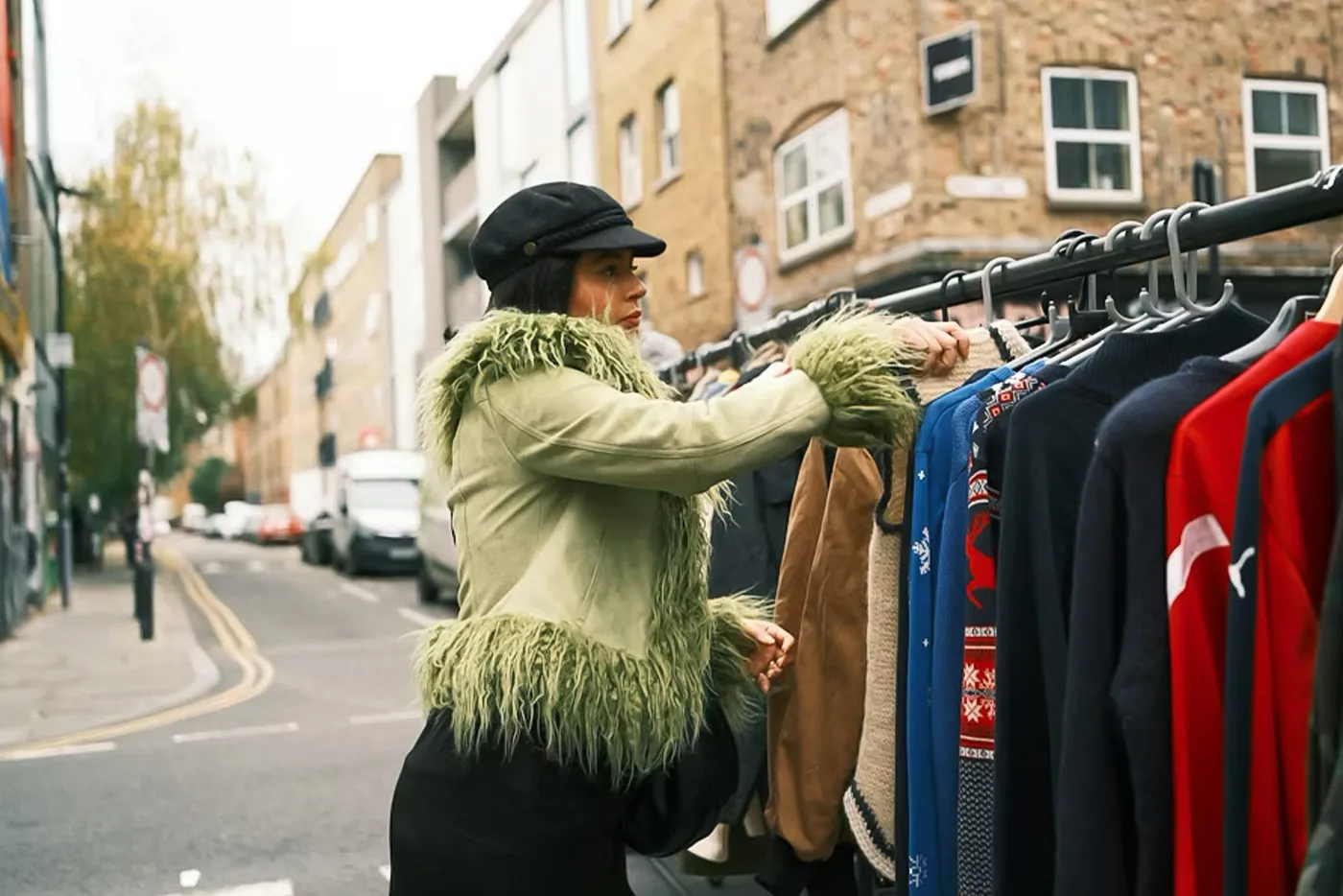
Photo by Fellipe Ditadi/ Unsplash
The Side Hustle Dream
Throughout the 2010s, Gen Z users were frequently profiled as turning Depop from a casual side hustle into a full-time job cultivating large followings and treating resale as a serious income stream rather than an occasional flip. One such seller, Emma Rogue, recalls her first sale: a pair of vintage ‘Y2K’-era chunky Skechers platforms she found at a thrift store for $4 on half-off day. Sensing demand, she purchased two pairs and resold them for $40 each.
Stories like Rogue’s became resale folklore. They didn’t just show what was possible, they taught people what to chase.
But what began as supplemental income slowly tilted toward those with access to capital, inventory and branding savvy. The system didn’t reward luck for long. It rewarded scale.
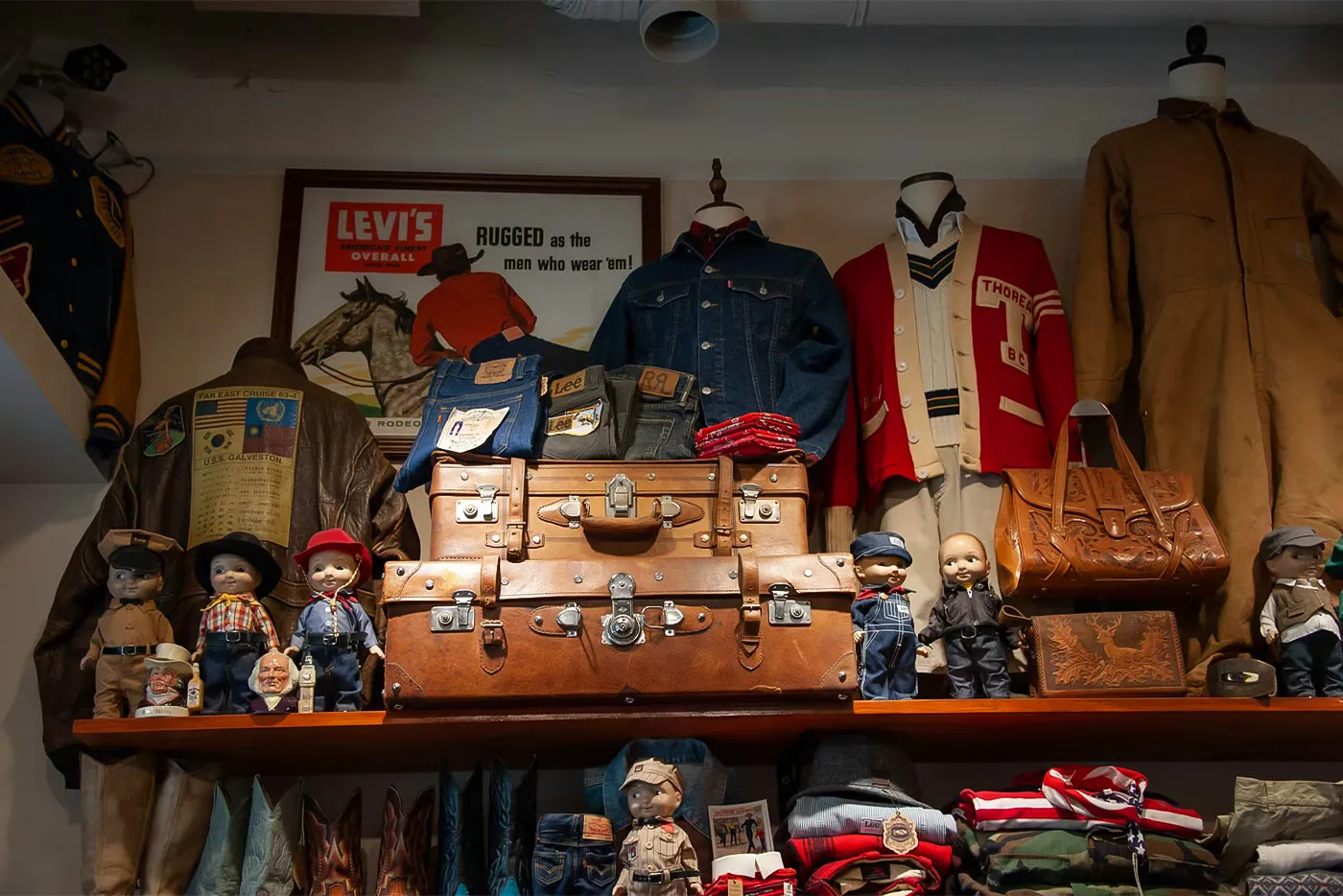
Photo by Richard Wang/ Unsplash
When Chance Disappears
As resale grew, chance gave way to infrastructure. Platforms introduced algorithms that rewarded consistency with posting and branding. Success depends on who can afford inventory upfront, photograph listings professionally and optimize for trends, rather than who finds something good on the rack. Professional resellers began sourcing strategically, treating thrift stores as supply chains rather than destinations. They arrive early, gloved and masked.
This shift reshaped who benefitted. Sellers fluent in platform mechanics rose quickly, while others were buried beneath feeds. What emerged was a kind of resale gentrification: early adopters and low-income sellers, who once relied on secondhand markets for access and supplemental income, are edged out by full time resellers operating closer to small businesses.
The Effects Offline
The shift didn’t stay online. Thrift store employees and resale researchers have noted changes in pricing strategies, including higher baseline prices for name-brand items and increased competition at donation outlets. What was once affordable by default became variable. For shoppers who relied on secondhand stores out of necessity and not trend participation, access narrowed.
Culture for Sale
At the cultural level, styles developed by low-income and marginalized communities are extracted, monetized and resold at prices that exclude their originators. Sustainability language reframes this exclusion as “curation” or “quality,” masking hierarchy behind ethics.

On resale platforms, expression becomes market-aligned. Clothing choices are shaped less by utility than by algorithmic performance, reinforcing capitalism’s reorganization of value through precarious, nontraditional labor framed as opportunity but functioning as stratification.
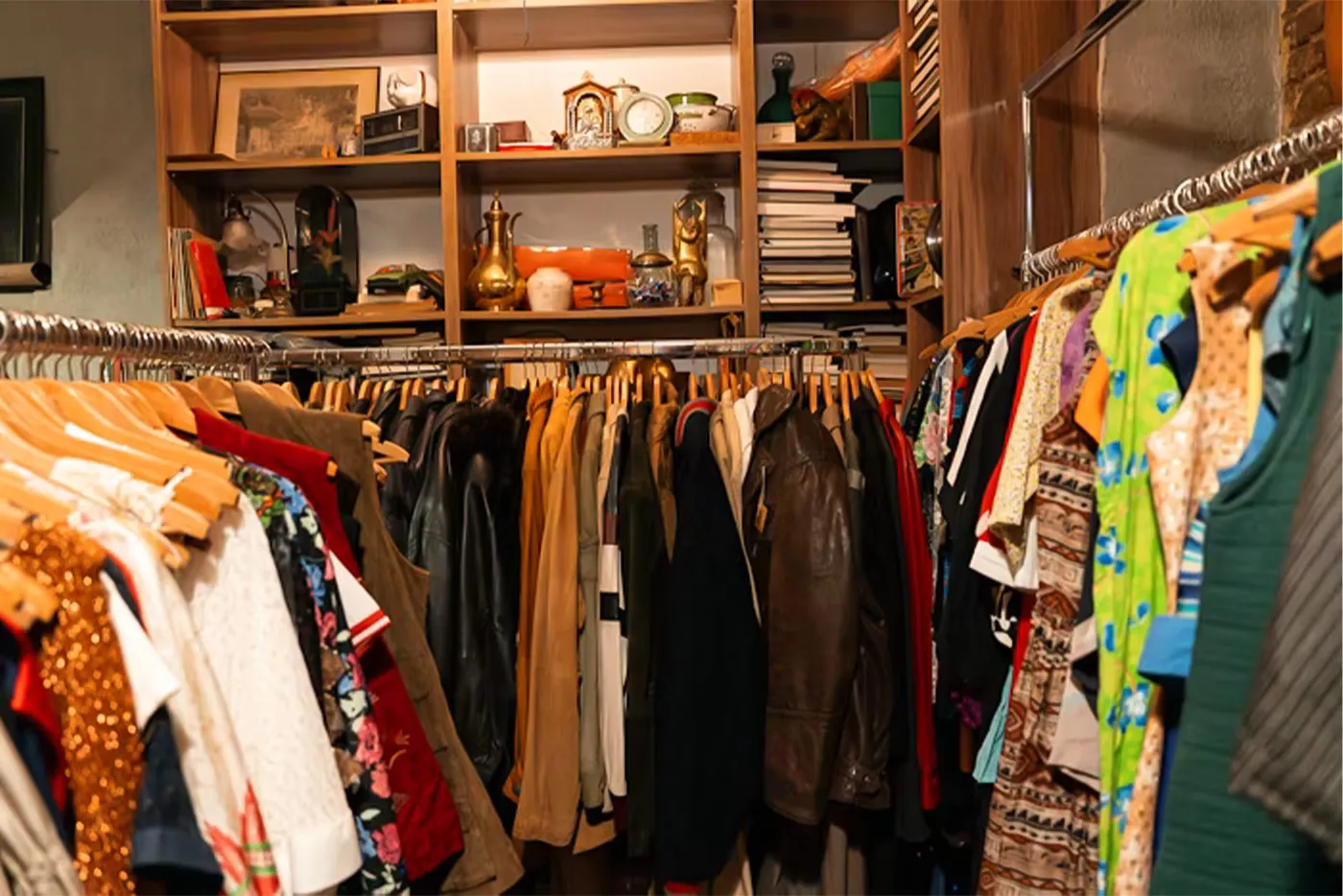
Photo by Ahmed/ Unsplash
Buy, Flip, Repeat
Resale continues to market itself as an accessible alternative to fast fashion. While this claim reflects one facet of resale’s impact, it remains incomplete.
The cultural emphasis on “haul” and flipping can lead consumers to purchase more clothing overall, justified by the promise of recouping value later. Instead of dismantling fast fashion’s logic of endless consumption, resale reconfigures it into a digitized mall. One with faster turnover and greater overall clothing rotation.
Consumers who engage heavily in secondhand markets continue to buy new clothing, with resale offsetting guilt rather than reducing volume. Buying “better” becomes permission to buy more. The mall didn’t disappear. It learned new tricks.
Photo by Clem Onojeghuo/ Unsplash
Feeling Good, Faster
When consumption becomes trend-based rather than need-based, it stops functioning as an alternative and begins operating as an aesthetic layer atop the same extractive system it aims to critique. Resale promises virtue without sacrifice, access with redistribution and sustainability without slowing down.
The secondhand rush does not dismantle fast fashion. It teaches it how to circulate longer, look better and present itself as progressive, while doing fundamentally the same thing.