The New Fashion of Gothic Movies – From Opulence to Anatomy
Gothic movies have always been a way for fashion to express itself. These movies often have dark and spooky looks that go along with themes of transgression and rot. This style of movie started a long time ago with old silent films like Nosferatu (1992) and Dracula (1931). The people who made these movies used clothes and settings to reflect the fears of society and turmoil within the story.
The recent resurgence of this style is increasingly visible as luxury houses like Rodarte and Dilara Findikoglu draw from the same well of macabre romanticism, transforming the traditional Gothic fashion into a contemporary high-fashion statement. While both the 1994 film Interview with the Vampire and the 2025 adaptation of Frankenstein draw from historical silhouettes to tell their dark tales, their costume design philosophies reflect two distinct eras of gothic storytelling.
Courtesy of Sudden Chic

The Gothic Elegance of 1994
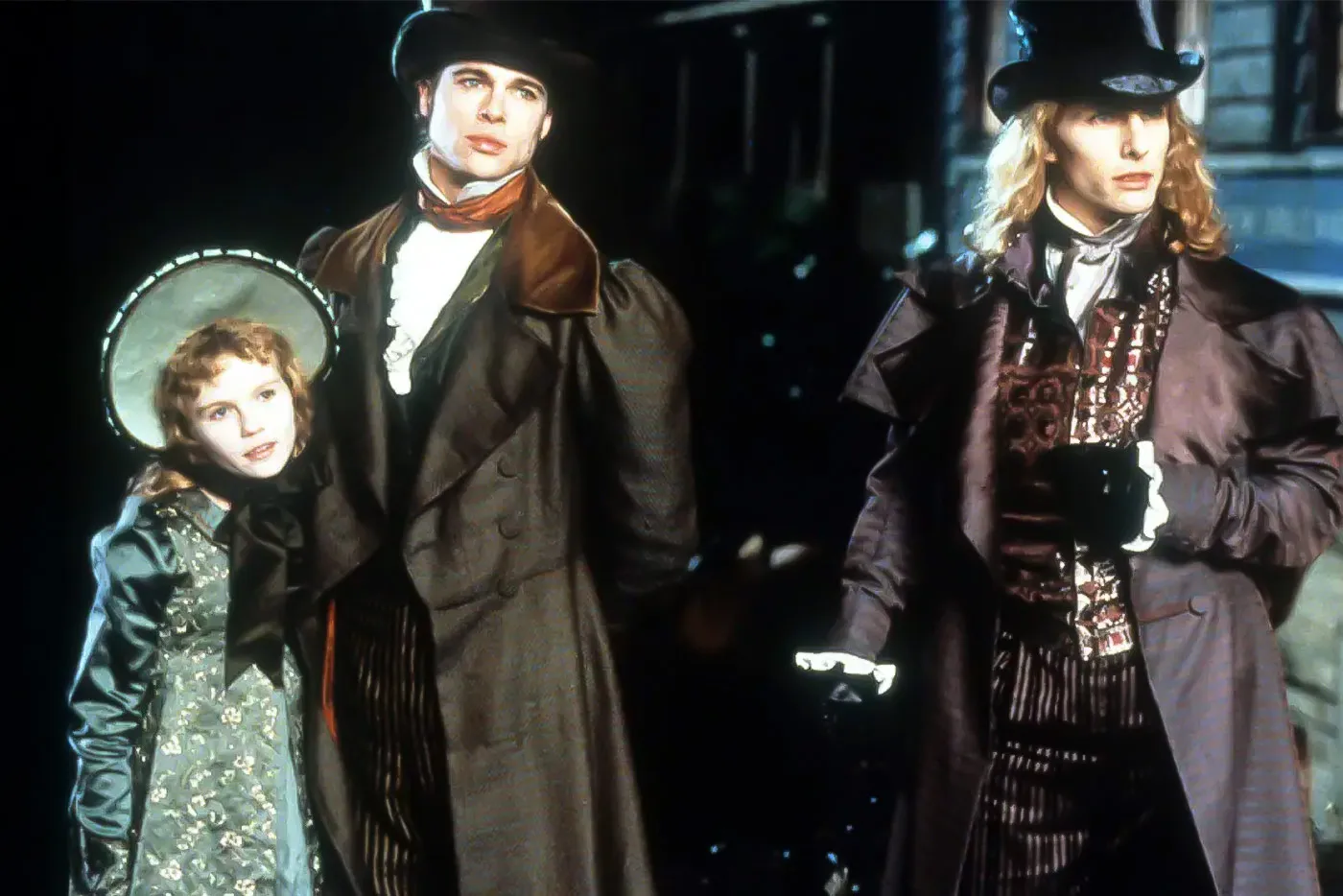
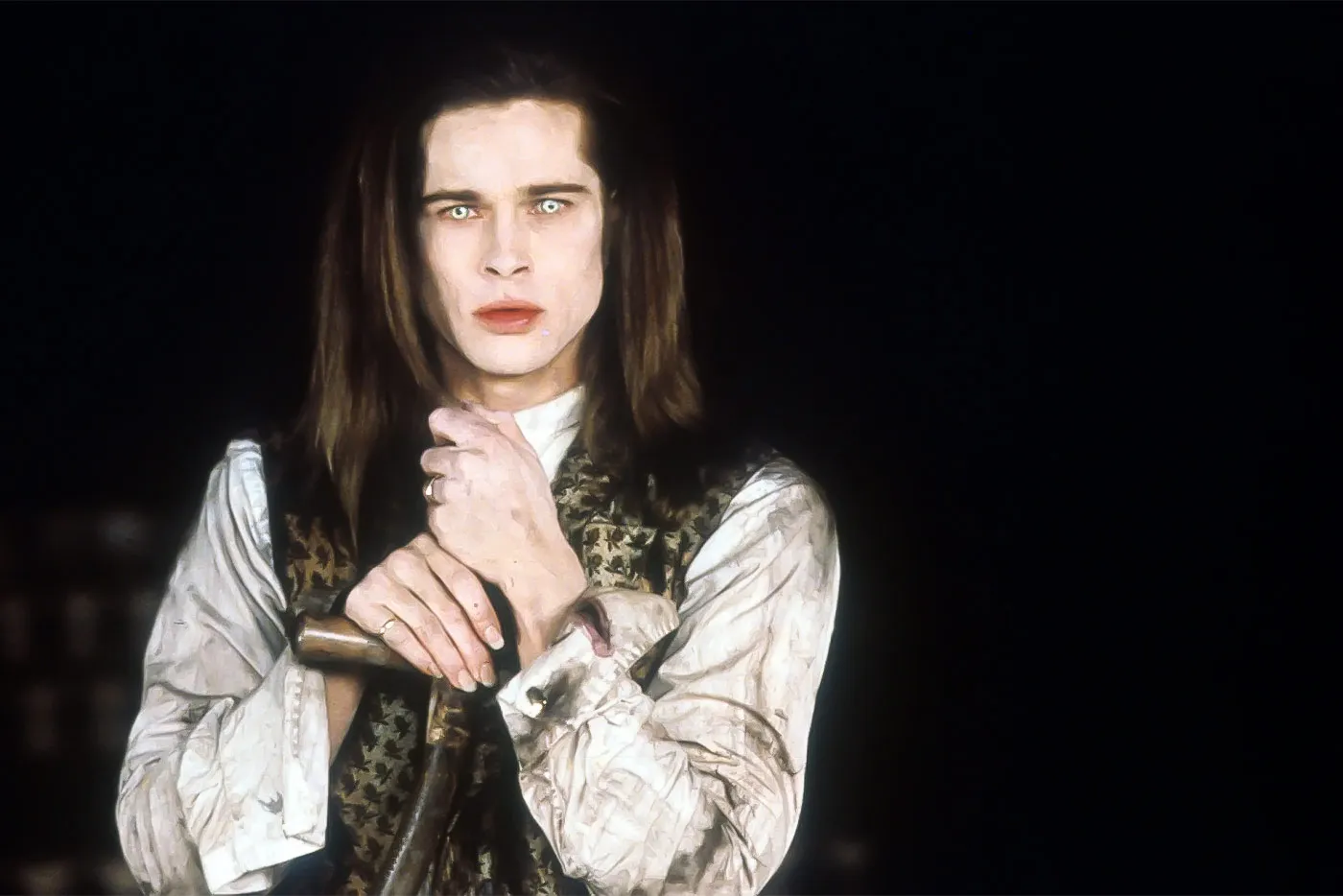
The fashion of Interview with the Vampire, carefully crafted by Sandy Powell, is the blueprint for the opulent period of Gothic fashion. The film, set in the late 18th and 19th centuries, is deeply rooted in historical accuracy, yet exaggerates the luxury to suit its immortal protagonists. Louis de Pointe du Lac, played by Brad Pitt, and Lestat de Lioncourt, played by Tom Cruise, are creatures of wealth, and their wardrobes reflect this with a hint of decay.
The 1994 film has a cool style as it is rich and full of colour. Louis usually wears clothes that’re not too bright, like dark red, black and brown. He likes to wear fabrics like velvet and silk
Lestat, on the other hand, is very different from Louis. Lestat likes to wear flashy clothes, like shiny jewels, gold vests and big fancy ruffles. The way they dress is like people did a time ago in the 18th and 19th centuries, when he was a living human. They wear collars, long coats that fit tightly and big, dramatic capes. The film’s style is about richness and history. The way people dress in this story is like a uniform that shows what their life was like before and what it is like now.
For Claudia, who’s a vampire and still a child, the clothes she wears are very important to the story. As she grows and changes, her clothes change too. From dresses that look like they belong on a doll to a blue dress that looks like something an adult would wear. The movie has a look that is nostalgic and reminds people of the Victorian era and the Romantic era, and this look has influenced the way people dressed in the 90s and the way vampires are shown in films.
Courtesy of Sudden Chic
Dishevelled Elegance and Motifs in Modern Gothic Cinema
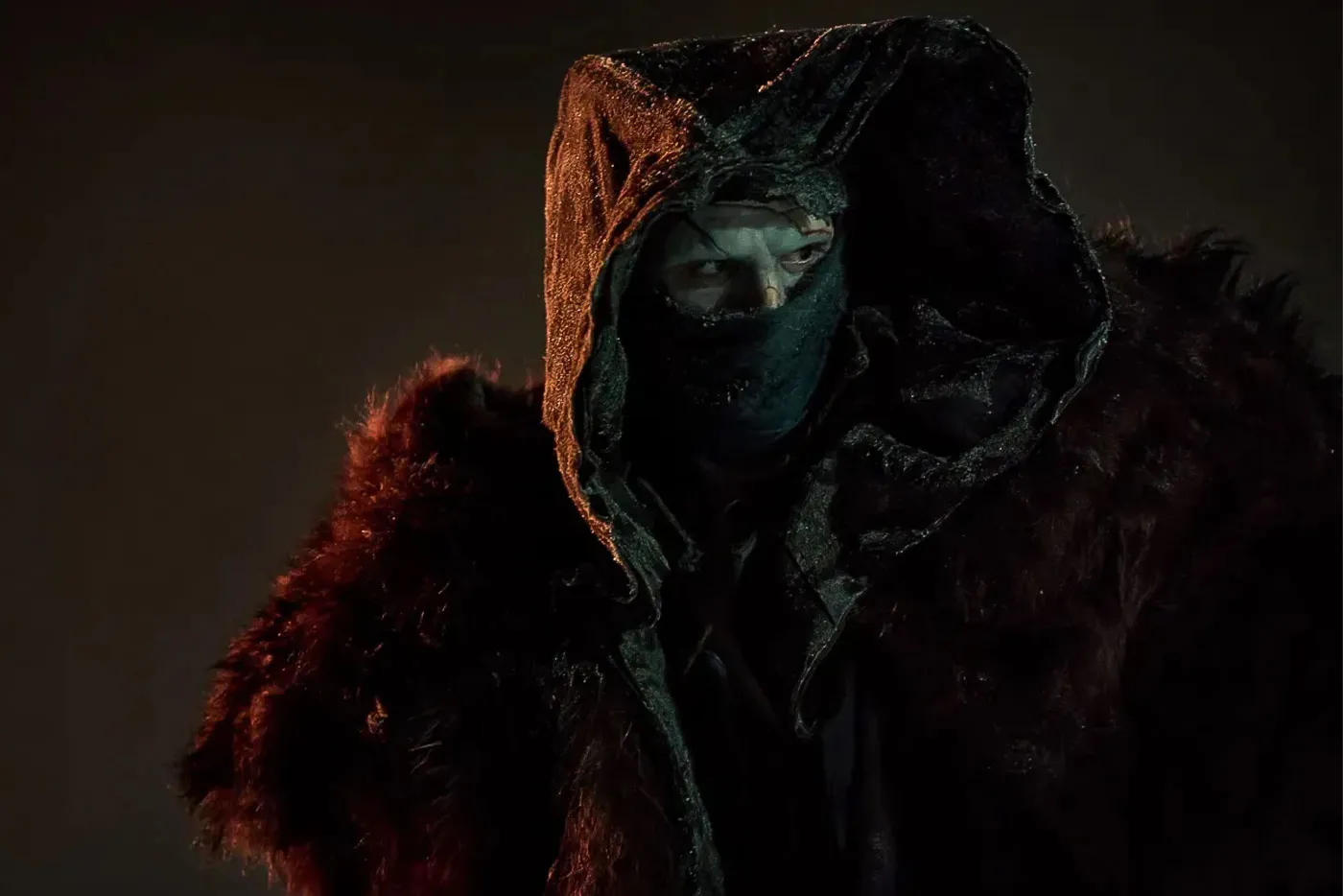
In contrast, Guillermo del Toro’s Frankenstein displays a different type of Gothic fashion. The film’s costumes were created by Kate Hawley, who worked on Crimson Peak alongside del Toro. The movie is a fresh take on a classic gothic romance and uses colours to show what the characters represent and are feeling internally. The story takes place around the 1850s, and Hawley’s costume designs do not just copy what people wore back then; they use references from history without sticking to it closely.
Ken Woroner/Netflix
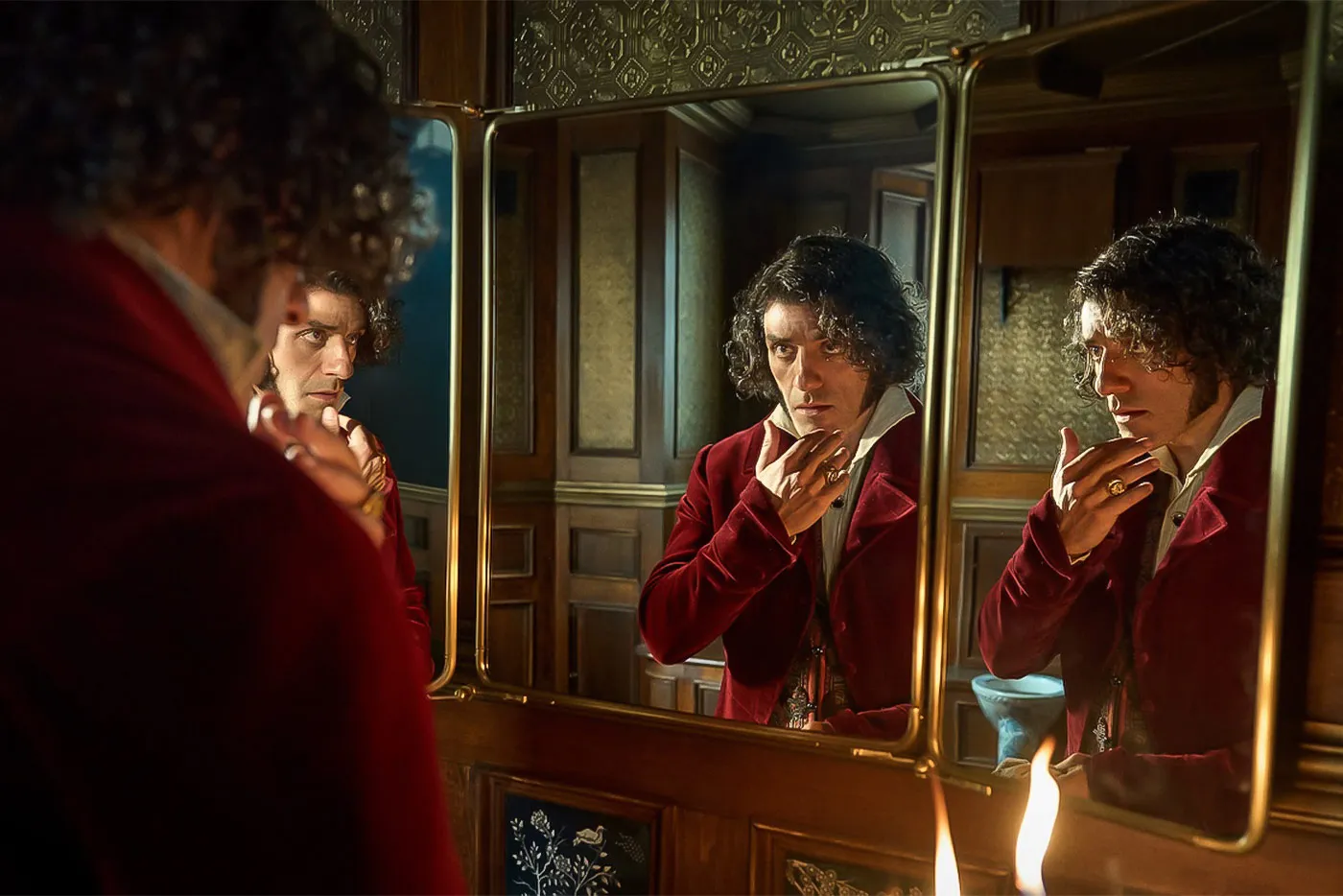
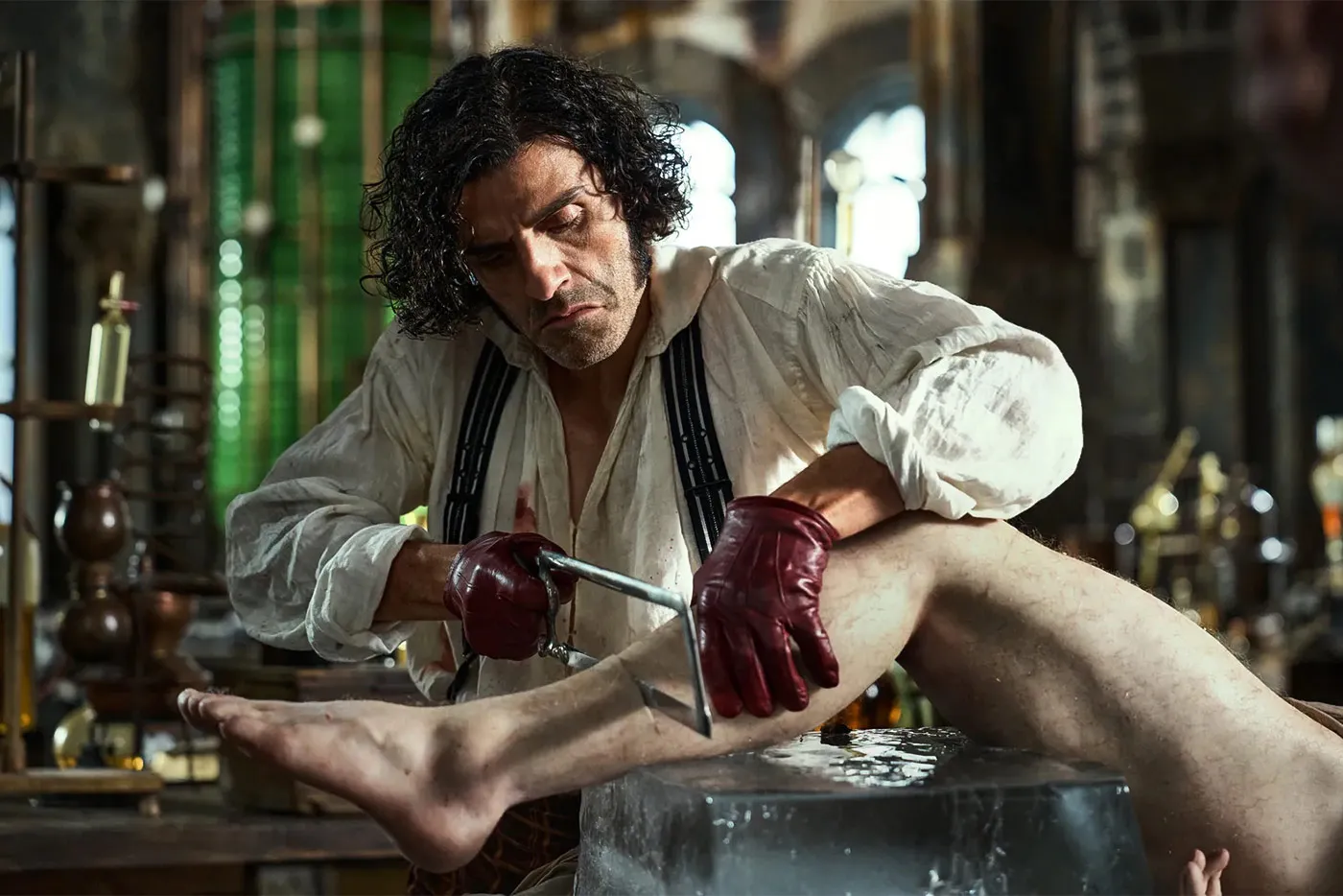
The modern approach is not about being dark and lavish; it is about mixing science and colour into the design. For Victor Frankenstein, who is played by Oscar Isaac, the gothic style is shown through his clothes. He wears velvet coats, and his suits are very formal, which shows his ego and coldness. Subtle details, like his red gloves while working on the creature, show his moral corruption. Elizabeth, who is played by Mia Goth, is the one who brings romanticism into the movie.
She wears stunning pieces like a layered organza and a blue malachite gown. Her clothing also features patterns and colours that represent nature and hints at the creature’s body, which is stitched together. Elizabeth’s clothing is essential to the plot as it shows the conflict between science and nature. Elizabeth’s final dress, her wedding dress, has many layers that are similar to bandages and is a callback to the film Bride of Frankenstein (1935). The clothes in this film are not about showing how rich the characters are; they are more about showing internal conflict and emotions through colour and intentional design.

Ken Woroner/Netflix
The Two Sides of the Gothic Aesthetic
The difference between these two films shows a significant advancement in the cinematic gothic genre. Interview with the Vampire uses 19th-century clothing as a kind of trap for its characters. The style is big, fancy and true to the time it is set in. Frankenstein is a bit different. It uses fashion-forward shapes and adds modern, conceptual designs and symbolic colours like red, green, and shiny blue to tell a story that is more about what is going on within the characters. These changes are used to make the movie more about the character’s inner workings and conflict.
Interview with the Vampire uses fabrics like velvet and satin to show that the characters are wealthy, well-known, and respected in their society. On the other hand, Frankenstein uses different textures and materials, such as see-through layers and prints that look like blood cells or insects, to think about biology and how things are created and destroyed.
Both movies use colour, but in a different way. Interview with the Vampire uses colours to set the mood and bright colours to tell the characters apart. Frankenstein uses colour to represent elements of a character: Victor’s red is for blood spilled, and Elizabeth’s blue is for transparency and vulnerability.
Ken Woroner/Netflix
The way people think about fashion in movies has changed significantly, as evidenced by the differing fashion styles in Interview with the Vampire and Frankenstein. The 1994 movie uses delicate, expensive clothes and has set a standard for how people think about gothic style in a fancy and aristocratic way. The movie used historical details and materials to show the wealth of the decaying characters.
However, Frankenstein removed the historical accuracy to move past surface level luxury to use fabric, texture and symbolic colour to show the inner psychological landscape, creating an anatomy of guilt, creation, and arrogance. This new gothic fashion is no longer satisfied merely with shadow and luxury; it demands that the costume become a conceptual skin that tells a psychological truth that is hidden beneath the historical silhouette.