Atelier – The Art of Wearing Art
In a rapidly evolving creative landscape, the boundary between studio and runway is dissolving. Fashion is no longer just about clothing – it’s becoming a living canvas. Welcome to the world where the atelier becomes a gallery, and the body is the exhibition.
Atelier as Gallery: When the Studio Becomes the Runway
The concept of fusing fashion and fine art has been gaining momentum for years, and publications like Sleek Magazine have closely documented this evolution. In “How Art Stopped Worrying and Learned to Love Fashion,” Sleek argues that the art world is no longer keeping fashion at arm’s length. Instead, it’s embracing it as a legitimate form of artistic expression.
This merging isn’t just superficial. The very process of designing, curating, and displaying garments now mirrors that of a gallery. Designers are acting like curators, selecting works to license or collaborate with, while artists are creating pieces specifically for wearable formats.

The Benefits of Art-Fashion Fusion
Accessibility & Democratization
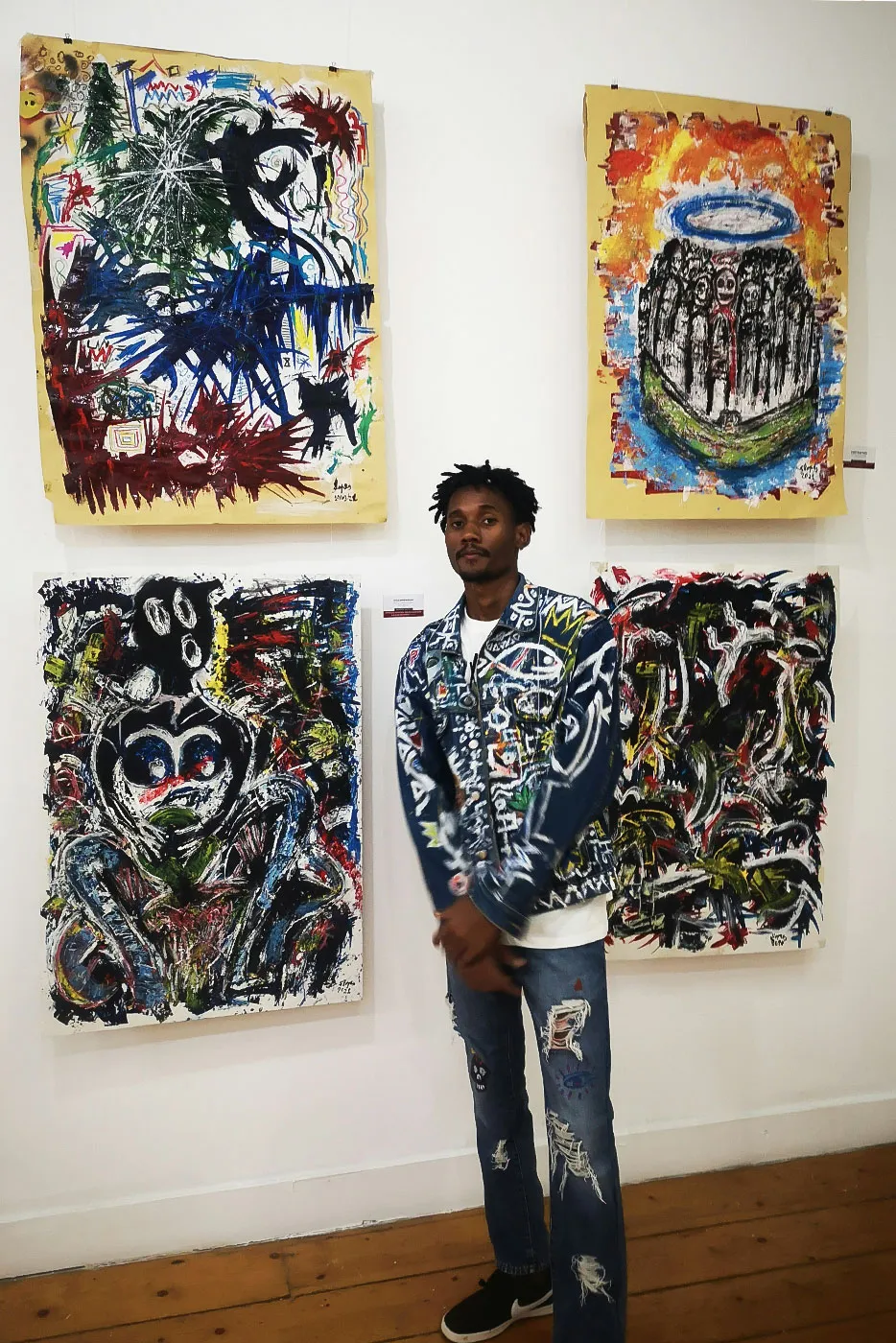
Fashion makes art more accessible. By putting artworks on t-shirts, scarves, or jackets, iconic or emerging visual art moves off gallery walls and into everyday life. Licensing organizations like the Artists Rights Society (ARS) facilitate this by protecting artists’ intellectual property while enabling brands to collaborate.
New Creative Platforms
For artists, fashion offers a new platform that isn’t just for revenue but also for expression. Their work gains greater visibility when integrated into commercial lines, while respecting copyright and proper licensing (thanks to frameworks provided by agencies like ARS).
Reinventing Brand Identity
For fashion houses, partnering with artists can reinvent brand identity. It’s not just about aesthetics anymore, but also storytelling. Brands increasingly commission works from artists to create limited-edition collections that communicate values, heritage, or a cultural narrative.
Sandro Lopes Art/Unsplash
Fashion with a Message: How Art Prints Change Our Lives
Fashion carries more than just beauty nowadays. It carries meaning by shifting how people see themselves and the world. Artistic prints are not just decorative show; they reflect ideology, culture, and personal narrative.
According to a discussion on the intersection of fashion and art, these collaborations often serve as bridges between social commentary and commercial design. For example, text-based conceptual art can be transported directly into wearable pieces, embedding deeper messages into what we wear.
Artists Transforming Clothing into Canvas
Some of the most compelling examples of this fusion come from thoughtful, high-impact collaborations:
Courtesy Pinterest
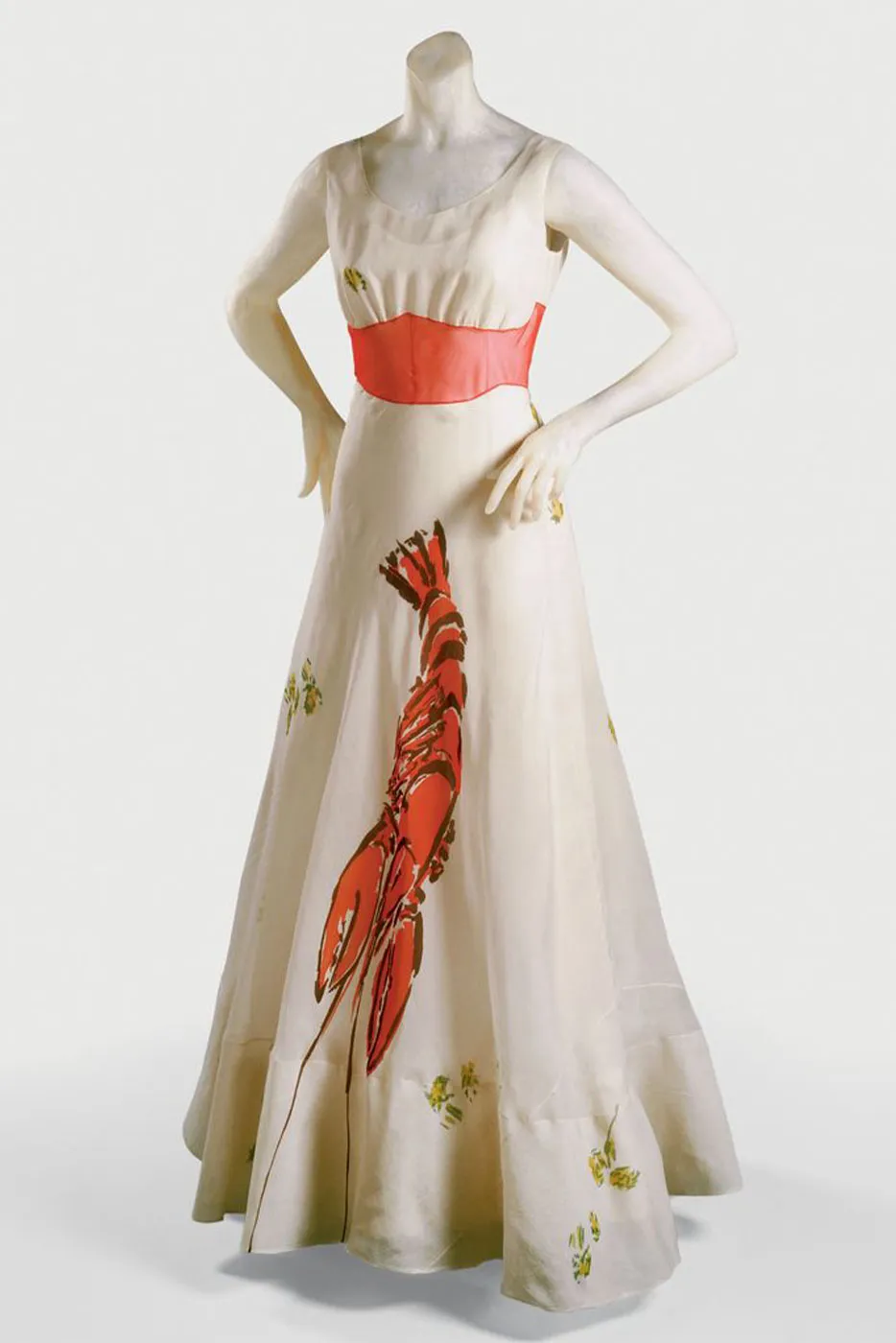
- Salvador Dalí and Elsa Schiaparelli: One of the earliest, most iconic collaborations to date, Dalí’s surreal lobster motifs transposed onto a dress.
Courtesy Artist Rights Society
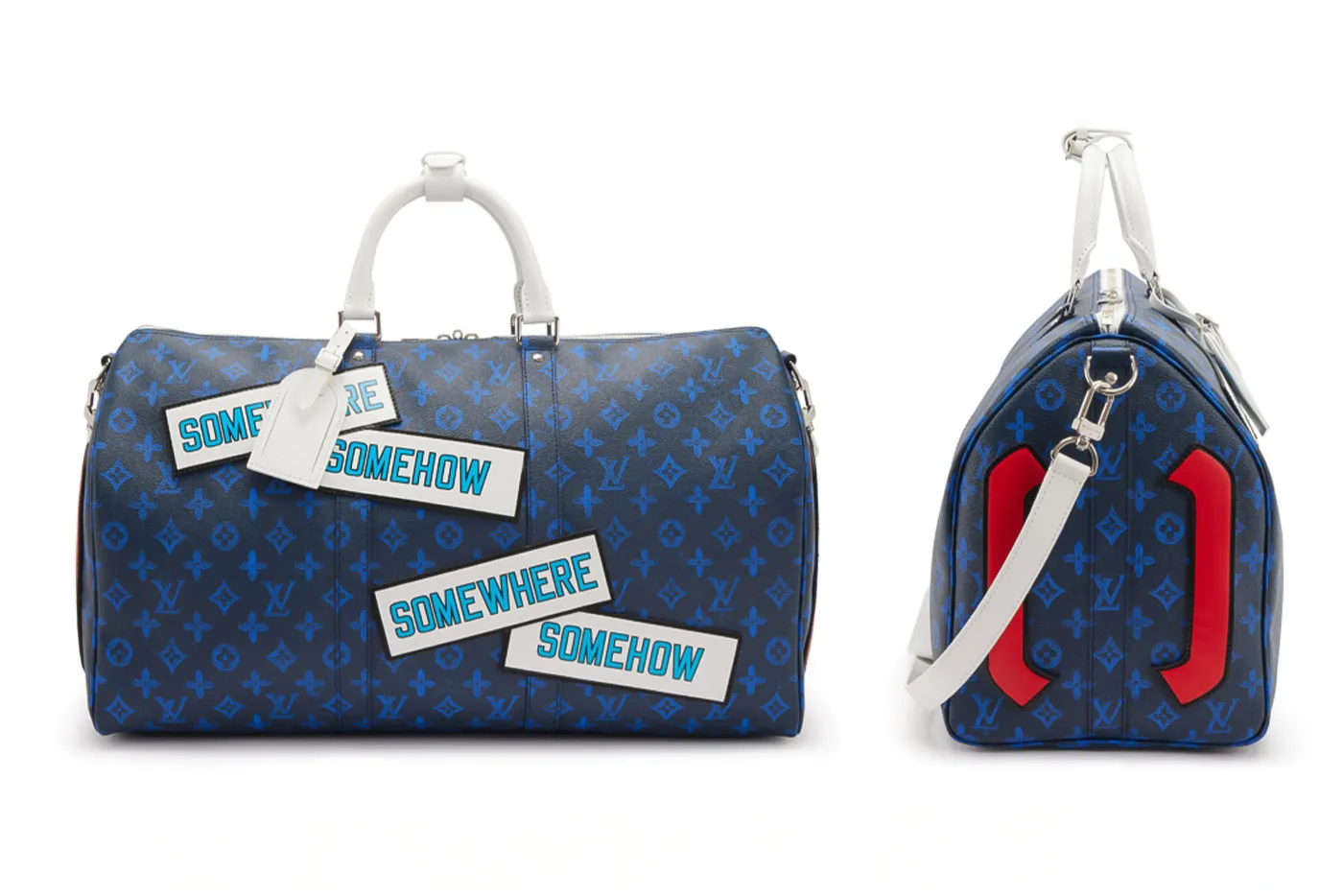
- Lawrence Weiner & Louis Vuitton (Virgil Abloh): Language-based conceptual art became bold typography on bags and menswear, opening up dialogue about art and ownership.
Courtesy TOMS
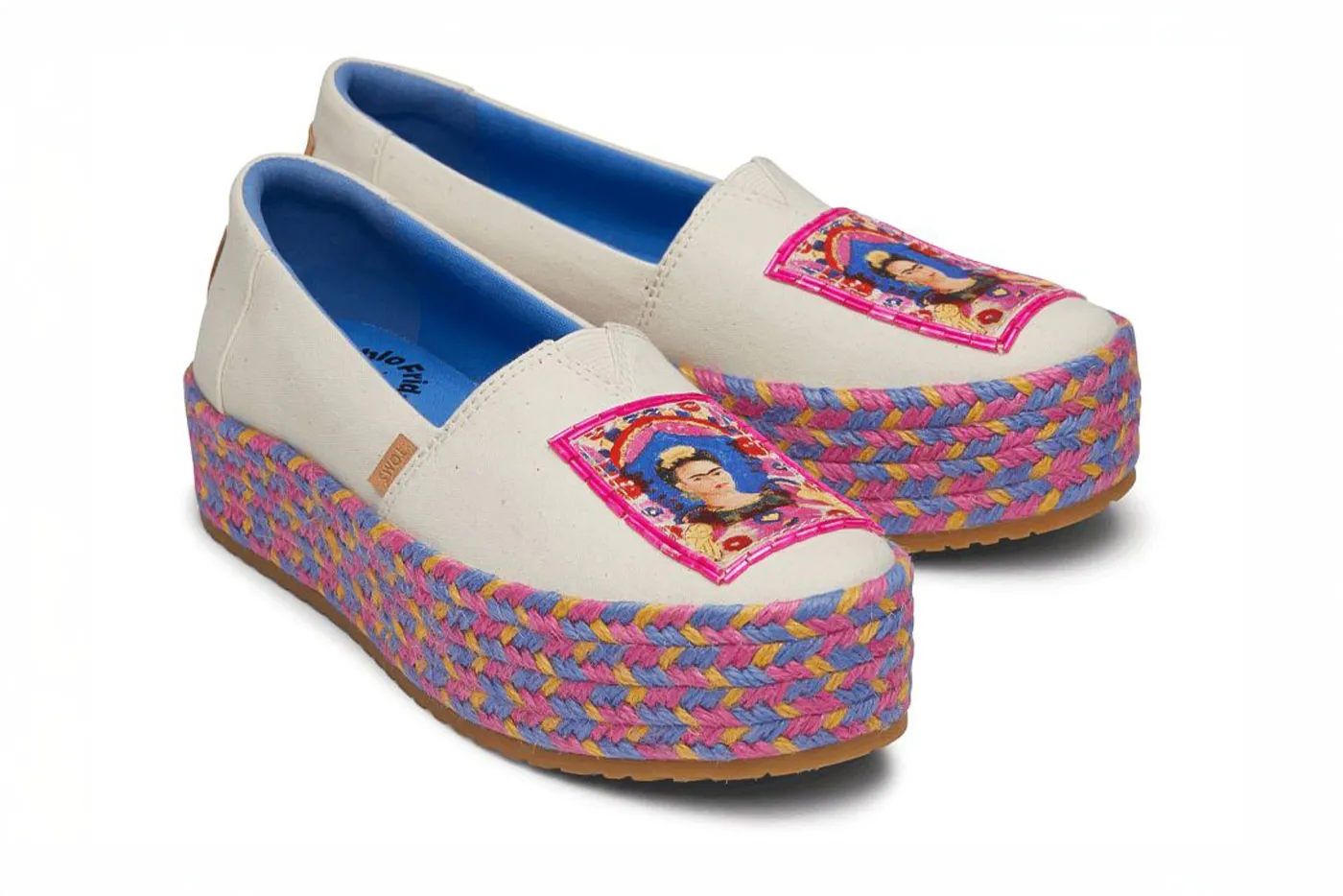
- Frida Kahlo & TOMS: Kahlo’s vivid imagery appeared on comfortable, accessible shoes, making her legacy wearable and part of daily life.
Courtesy Pinterest
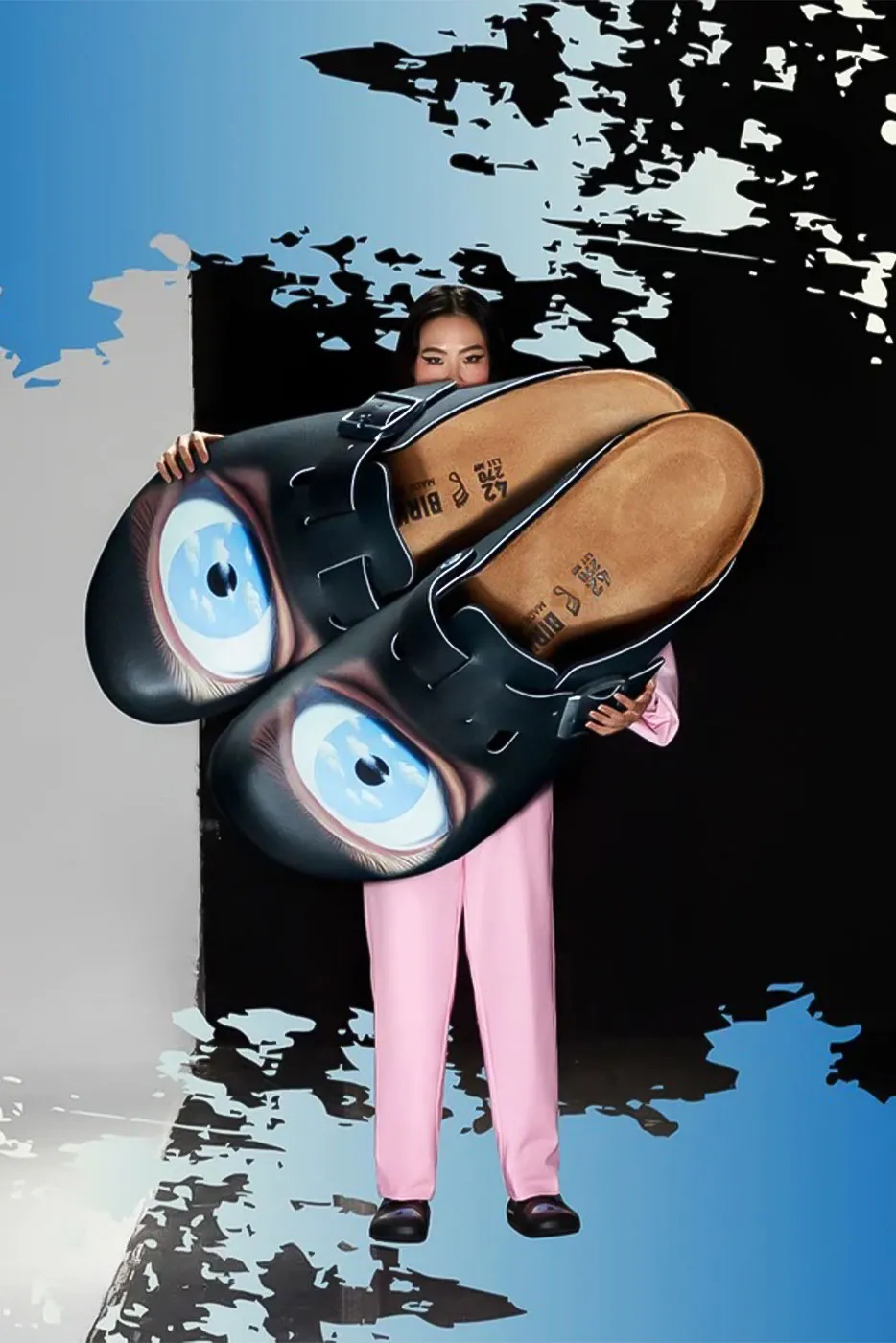
- René Magritte, Birkenstock + Opening Ceremony: Magritte’s visuals were applied to practical footwear, blending functionality and conceptual art.
Courtesy Interview Magazine
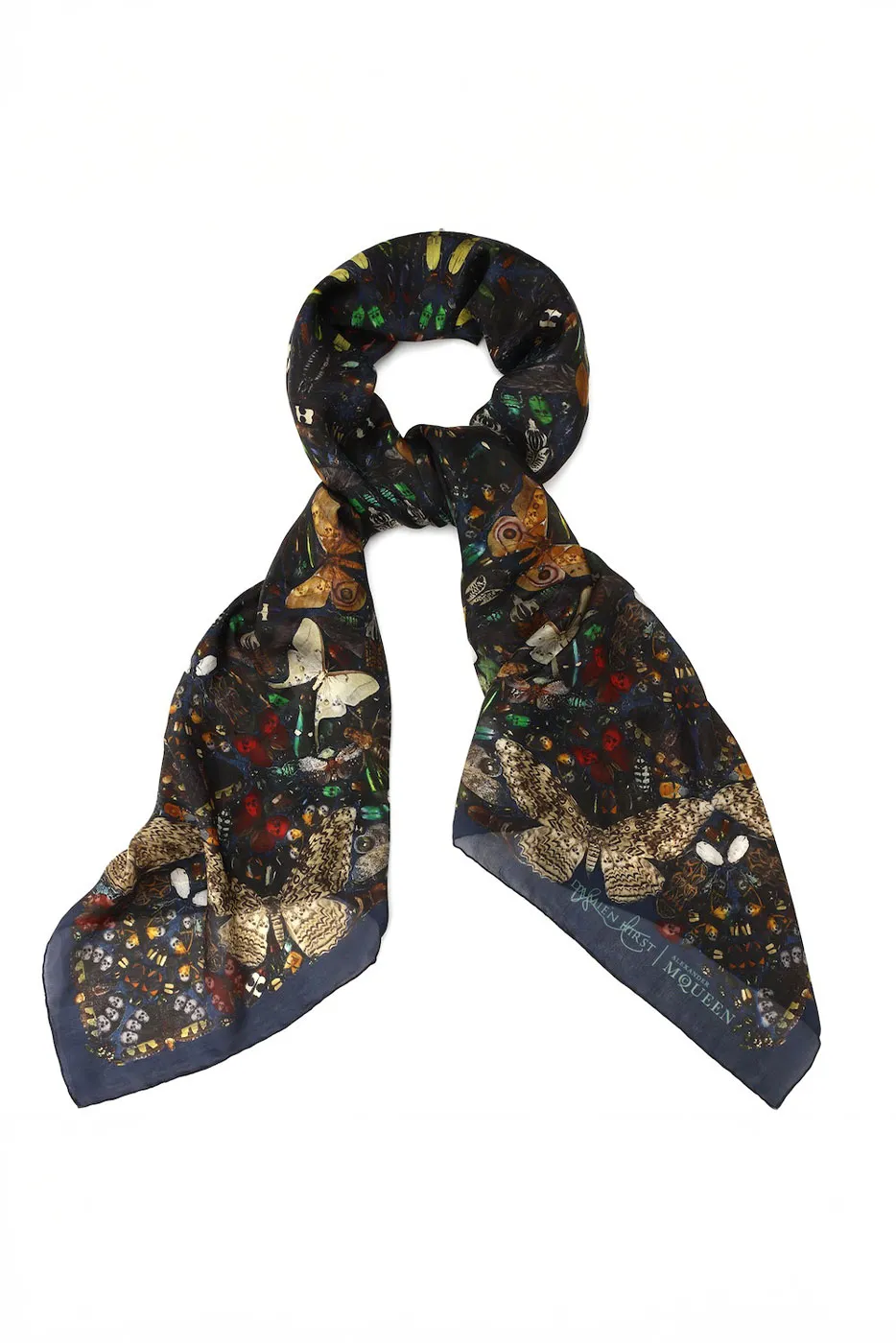
- Damien Hirst & Alexander McQueen: Hirst’s motifs (like butterflies) became bold, symbolic scarves.
Courtesy Design Milk
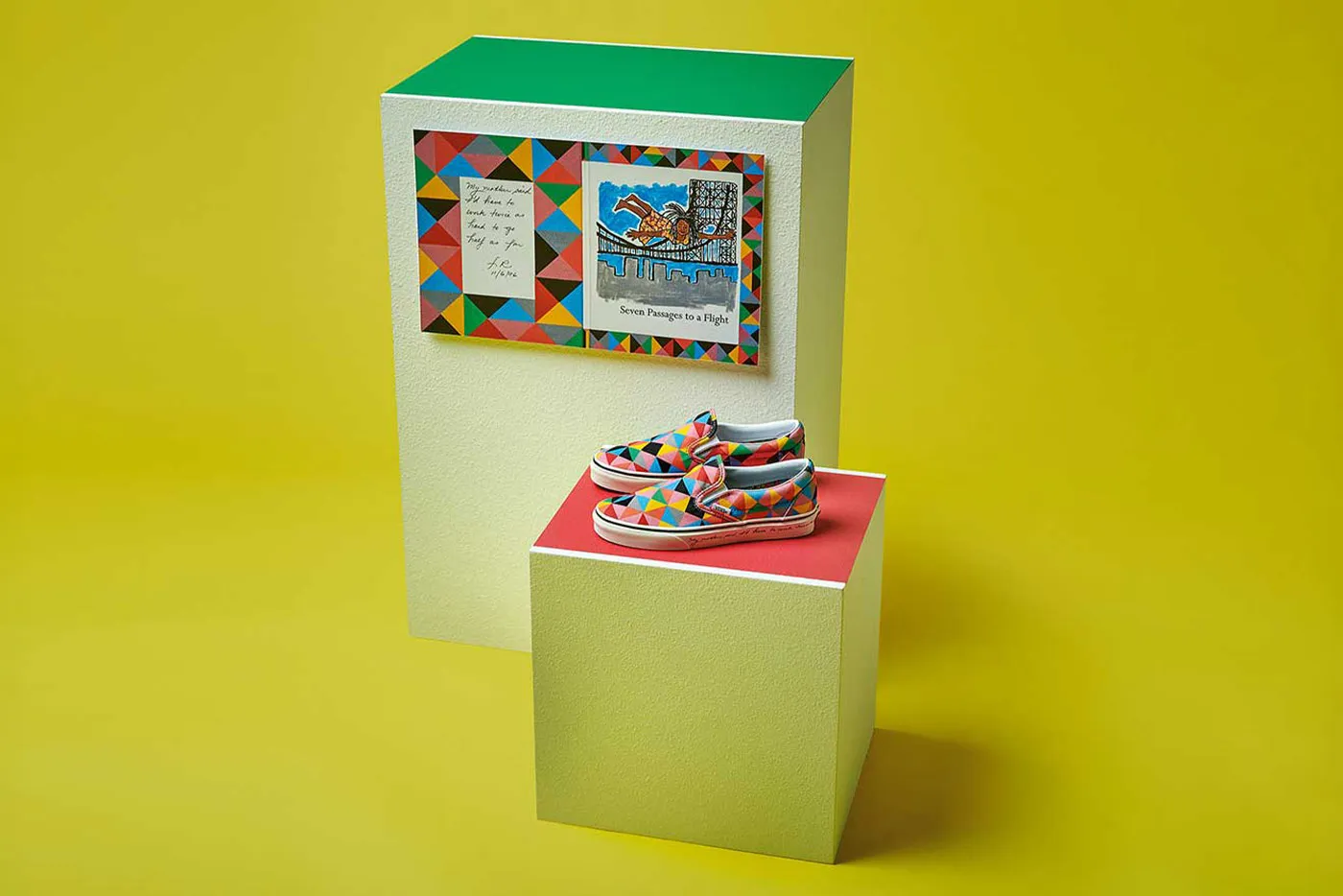
- Faith Ringgold + MoMA + Vans: Ringgold’s quilt-style art was translated into prints for limited-edition sneakers.
These collaborations, mediated by licensing bodies such as ARS, show how artists and fashion houses can co-create while preserving artistic integrity.
Beyond the well-known artist collaboration, a new wave of contemporary creatives pushes boundaries of wearable expression. Digital collage artist Constantin Prozorov brings his layered imagery into the fashion world through collaboration with brands such as Moncler, Louis Vuitton, and BMW. British illustrator Julie Verhoeven infuses her retro-futuristic style into partnerships with fashion houses Louis Vuitton and Versace. Meanwhile, Baron Von Fancy transforms bold, humorous phrases and pop-infused graphics into wearable pieces through collaboration with brands including Vans and Rag & Bone.
Together, these artists demonstrate that wearable art is not just about placing images on clothing, but it’s also about reshaping the cultural conversation around fashion and expanding what creative expression can look like on the body.

Spotlight: Tanya Pugh-Johnson’s 16th Cross Pearson Wearable Art Gallery
One of the most compelling real-world examples of the “atelier as gallery” concept is Tanya Pugh-Johnson’s 16th Cross Pearson in downtown Birmingham, Alabama. She created a space intentionally designed as a “storefront to the creatives,” blending fashion, art, and community into one living ecosystem.
Courtesy Amarr Croskey, For The Birmingham Times
Inside, the gallery features work from local painters, stylists, jewelry makers, and clothing designers. They are given a platform to showcase their craft through 6-12 month contracts that intentionally uplift emerging Black talent and remove many of the traditional barriers found in the fine-art world. Pugh-Johnson’s vision extends beyond display; models often wear pieces in the gallery windows, turning the human body into a canvas and transforming the sidewalk into an exhibition.
Courtesy Jacob Blankenship / Bham Now
The name 16th Cross Pearson itself honours her grandmothers and speaks to the deep personal heritage embedded in her mission. More than a boutique, the space functions as a creative sanctuary where wearable art becomes empowerment, storytelling, and community representation. This is proof that fashion can serve as both a gallery and a gathering place.
Cultural Implications: How this Fusion Reshapes Fashion
The intertwining of fashion and art at this level is shifting cultural dynamics in several ways:
- Democratizing High Art: When art isn’t limited to museum walls but can be worn, it becomes more democratic. People who may never visit a gallery can still engage with high art in their daily lives.
- Championing Marginalized Voices: Galleries like 16th Cross Pearson are not just about fashion, they’re about representation. Pugh-Johnson’s space amplifies local Black creatives who might otherwise struggle to break into the traditional fine-art world.
- Narrative Over Product: Fashion becomes more than consumerism; it becomes storytelling. Garments tell stories of heritage, identity, and artistic collaboration.
- Sustainability and Longevity: When garments are designed as art, they often carry more value (emotionally and materially), encouraging longer use, care, and appreciation rather than fast fashion.
- New Business Models: Licensing (via ARS) is proving that artists and brands can mutually benefit. Artists retain internet protocol, brands create meaningful products, and consumers gain wearable pieces that are more than just clothing.
Challenges and Considerations
While the fusion of art and fashion opens exciting creative possibilities, it also comes with important challenges. One concern is balancing commerce with authenticity. This ensures that wearable art doesn’t become purely commercialized and that artists’ voices and intentions remain intact, even within licensed collaborations. Accessibility is another tension. Limited-edition drops and high-end partnerships can make these pieces feel exclusive, raising questions about who truly gets to engage with wearable art. Sustainability also plays a crucial role, as ethical production, both in materials and labour, must be considered when transforming art into garments.
Additionally, as designers draw from diverse cultural aesthetics, it becomes essential to approach these influences with sensitivity and to compensate originating communities fairly to avoid cultural appropriation. Together, these considerations shape the future of wearable art and determine how thoughtfully the industry can evolve.
The Rise of Wearable Culture
The “art of wearing art” is no longer a fringe concept. It’s a flourishing movement where ateliers double as galleries, and garments become canvases. Whether through iconic artist-brand collaboration or visionary spaces like Tanys Pugh-Johnson’s 16th Cross Pearson, the fusion of art and fashion is transforming how the world creates, consumes, and celebrates creativity.