Sustainability Unpacked Part 3 – Sustainable celebrities
This article is a part of Funktasy’s Sustainability Unpacked series, where we tackle all sides of the sustainability discourse within music, fashion and lifestyle.
The fashion industry has been around forever. However, the fashion industry we know has only been around since the Industrial Revolution in the 1800s. Gone were the days of hand sewing each individual garment. Sewing machines and sweatshops allowed the fashion industry to reach huge levels of mass production.
Since these innovations, we have seen the birth of fast fashion. Fast fashion is clothing that is mass-produced based on trends, microtrends and designer fashion. By purchasing fast fashion, people are able to mimic the designer look at comparatively low prices. This system encourages consumption, and therefore, waste.
As fast fashion grew through the 70s to dominate mainstream culture, so to did the counterculture movements grow their opposition to mass consumerism and social norms. These movements brought attention to sustainable fashion practices.

Sustainable fashion includes sustainable production, not using sweatshops and using ethical materials, reusing or upcycling clothes and many other things to help reduce waste. This is something many people try to do in their own lives, including celebrities.
Celebrities nowadays are able to have a big impact on what the public sees and does. Photo Sharing on Instagram and TikTok is a major source of news for many people, including younger generations. This has a large effect on trend cycles and what people are wearing. If celebrities are shopping eco-consciously, should you too?

John Park/Wikimedia Commons
The Thrifting Icon
One of the celebrities who constantly affects trend cycles and what people are wearing is Emma Chamberlain. Chamberlain went from YouTuber to fashion icon and has been seen on the runway at major fashion events, such as the MET Gala and Paris Fashion Week.
Chamberlain has always been one for sustainable fashion, and her thrifting YouTube videos are a contributor to her popularity. The earliest video on her channel is a try-on thrift haul with 1.4M views.
Thrifting is seen as a sustainable practice for shopping because you are able to give clothes a longer life, instead of sending them to a landfill.
Chamberlain presents realistic expectations for how people can buy clothes secondhand without breaking the bank. Not only is thrifting a realistic option, but Chamberlain also discussed how she believes it can make the world a better place.
“In my eyes, leaving the world in a better place than we found it means to just do your part personally, and focus on the small changes you can make,” Chamberlain said in an April 2021 interview with Levi’s.
Though Chamberlain’s platform has grown substantially, enough for her to be able to afford designer fashion, this hasn’t stopped her advocacy for sustainable shopping.
One example of this is her MET Gala appearances. In 2024, Chamberlain wore a design by Jean Paul Gautier from spring 2003 that was taken from the archives and modified to fit Chamberlain.

In 2025, the theme Superfine: Tailoring Black Style essentially required celebrities to custom-tailor their outfits, but Chamberlain still used accessories purchased from eBay to complete her look.
Gage Skidmore/Wikimedia Commons
The Environmental Advocate
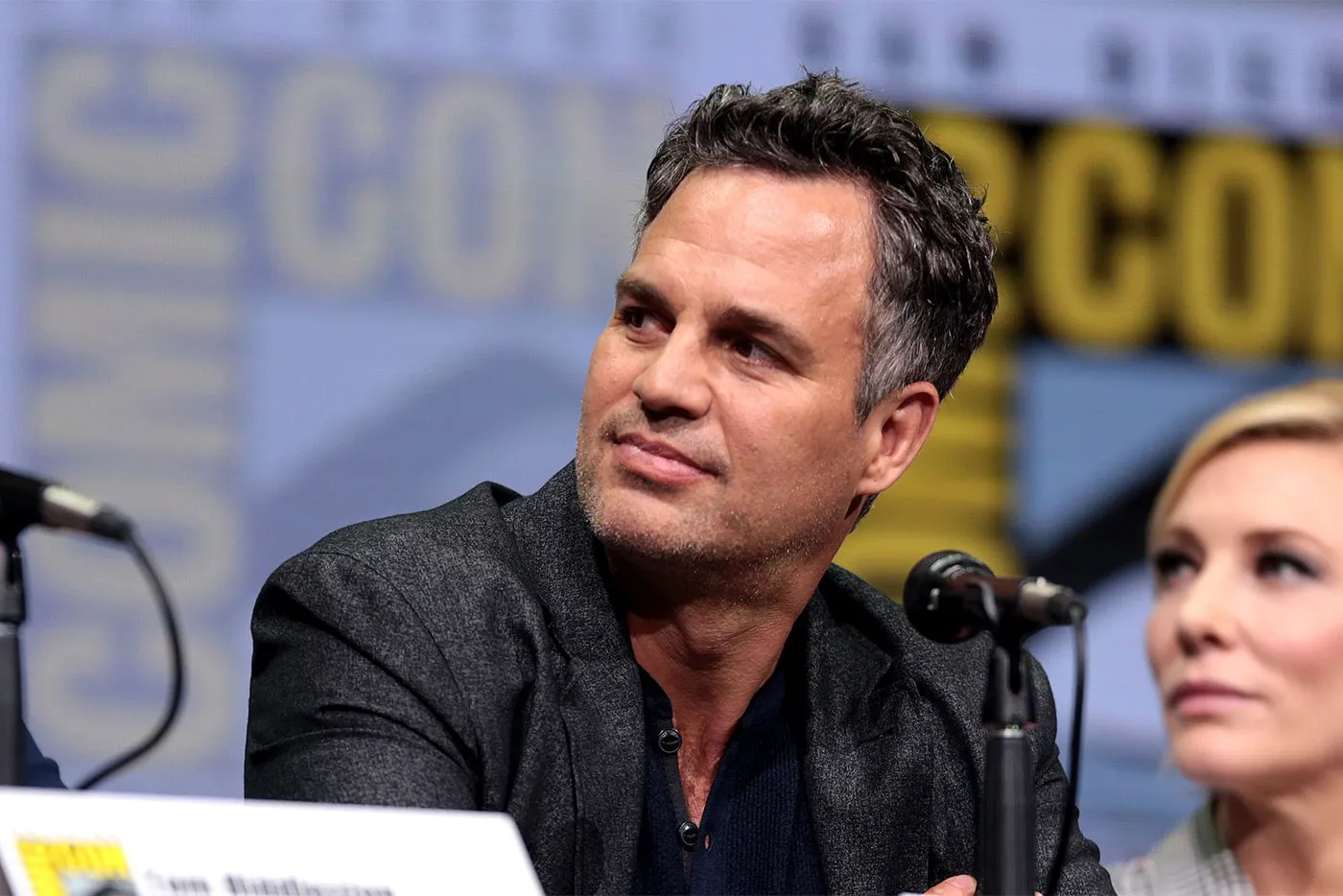
Some celebrities take it a step further than simply speaking to personal practices. Actor Mark Ruffalo is most well-known for his role as the Hulk in Marvel’s Avengers franchise. He has even been dubbed a sort of Eco-Hulk.
Ruffalo’s environmentalism and advocacy across a variety of political issues is nothing new. Ruffalo told The Sierra Club that environmental issues, specifically fracking, is something he’s been advocating against since 2011.
This inspired the 2019 movie, Dark Waters, which stars Ruffalo and exposes the true story of a lawsuit against DuPont chemical company for their dangerous history of pollution.
Unlike Chamberlain, Ruffalo’s advocacy focuses on realms outside of fashion, but not fashion statements. At the 2026 Golden Globe Awards, Ruffalo took to the carpet in a tux with a “BE GOOD” pin fastened to the lapel.
Ruffalo and other celebrities wore this pin to recognize Renee Good, who was killed by ICE in Minneapolis on Jan. 7, 2026.
Though Ruffalo has not been as outspoken on the environment with specific regard to fashion, it is a practice of his. Ruffalo has been spotted at vintage shops, and his wife used to own and run them on her own. Sunrise Ruffalo’s vintage shop, Sunny’s Pop, closed in 2023 after 6 years of operation.
Franklin Heijnen/Wikimedia Commons
The Queen of Sustainable Clothing
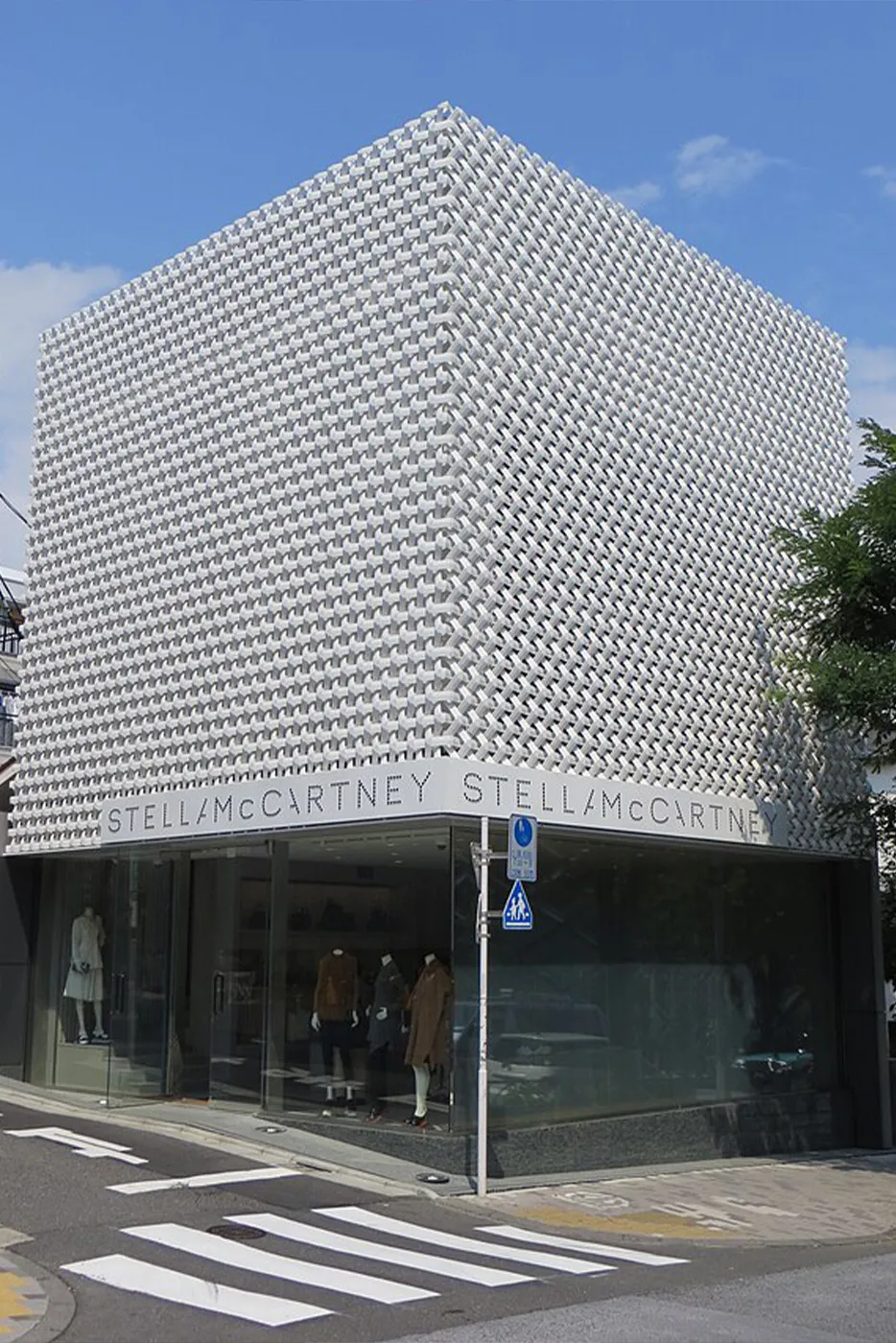
Stella McCartney, daughter of legendary Beatles member Paul McCartney, has been a trailblazer sustainably since launching her self-titled designer fashion label in 2001.
The brand often dresses celebrities for most major Hollywood events, such as The MET Gala and awards shows, most recently dressing Helen Mirren for the 2026 Golden Globes.
McCartney has always had sustainability at the core of her brand since its initial launch. This includes policies like no use of leathers, furs, skins, feathers or animal glues since day one. As the brand developed, it continued to develop its practices, including things such as grape-based leather and organic cotton.
These decisions come from McCarney’s own personal values. McCartney was raised as a vegetarian and in the countryside, more aware of her surroundings growing up. To her, the environment has always played a vital role in her life.
McCartney is often spotted wearing clothes from her own brand in public and is known to have designed her own wedding dress.
Making a shift from being a 90s “it girl” alongside Kate Moss and Gwyneth Paltrow, McCartney has switched gears and made herself into a sustainable fashion “it girl.”