Joe Hicks – New Album, Writing Process & Life on the Road
In the wake of his latest album, Before It Gets Dark, English Indie musician Joe Hicks has agreed to sit down with Funktasy to discuss the singles already released, such as Heart In Two, and how they connect to the bigger picture of the album set to be released in March. Hicks describes how his loss fueled writing and newfound collaboration with other artists has influenced the new album. Hicks also touches upon the changes brought into his life through aging and how with ten years of experience in the touring industry, his life has changed. Hicks explains the details of touring as he gets older and the dangers of AI in music.
We are glad you could meet with us today. Where are you right now?
I am in a little town called Newbury. Um, about 50 miles west of London.
You have a new album to be released in March. Do you have any tour plans to follow to welcome the album into the world?
I’ve got an album release show in my hometown, actually, about a week after. Then the plan is to tour in the fall as far and wide as possible.

I imagine you’ve been on tours before…this is not your first album. How long have you been on the road, touring-wise? How many years have you been doing this?
That’s true. Coming up on 10 years now. Then, I’ve been touring before that in other bands since I was 17, 18.
How has touring changed for you since you were 17, 18 to now? I imagine it’s got to be a very different kind of process for you. It’s got to be a very different story for each tour.
The first thing that came to my head was the introduction of Marks and Spencer’s food in the service stations in the UK. It’s changed the game. But if you want a serious answer, even though that is very serious, food is very important. I think just getting older, I used to drink when I was in a band when I was younger, so it was a bit of a different feeling. Now it’s a bit more about enjoying the flow of the day. And I think a lot of musicians would say that outside of touring, there’s not really much structure to my day. Whereas on tour, I love that you are up at a certain time and you have to be at the venue for a certain time. And now I’m really on the hunt for the best coffee shop.
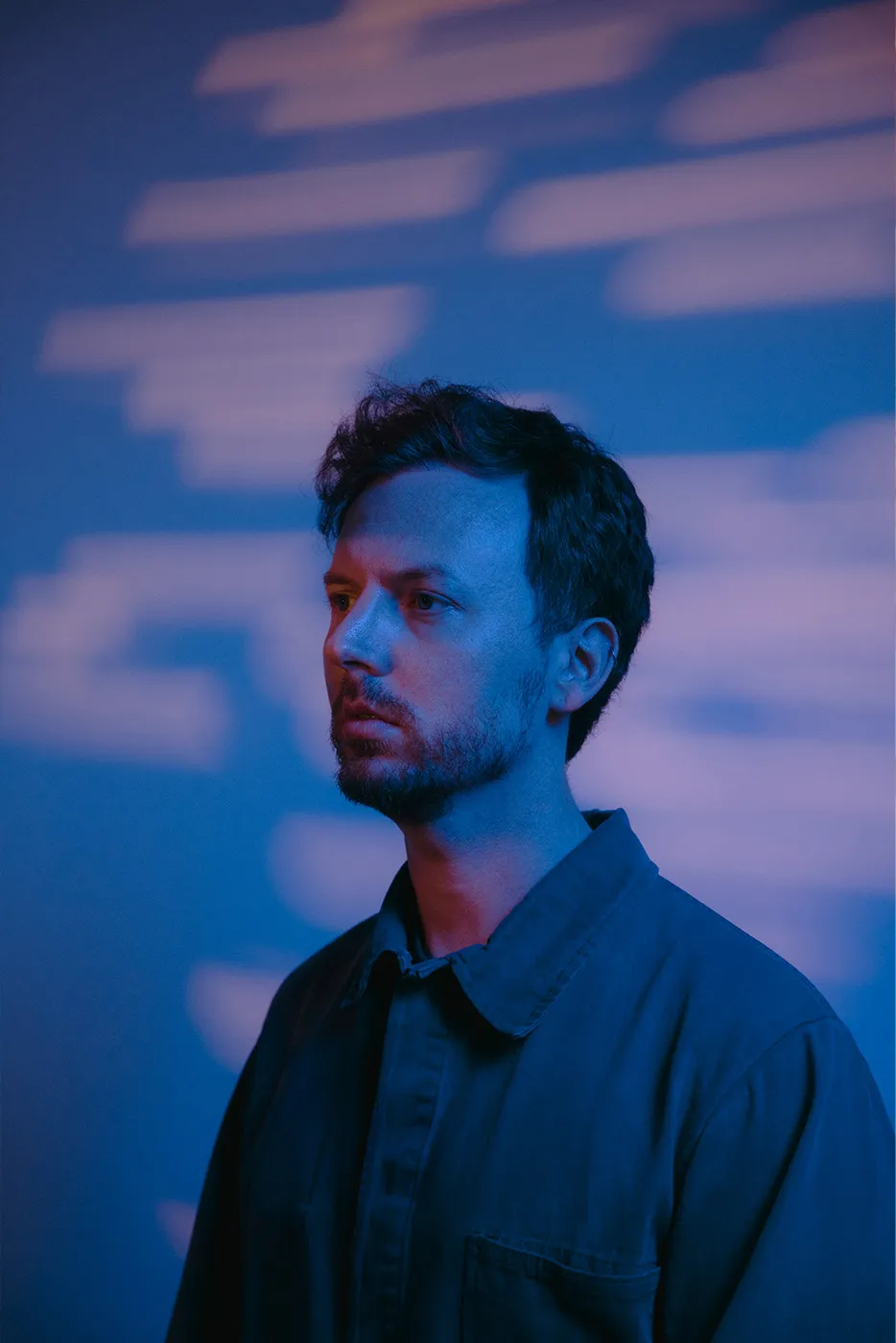
All right, so let’s get into the meat of this new album Before It Gets Dark. What does this project represent to you?
I think Before It Gets Dark, if I start with the name itself, actually sums up the album for me, and it’s [from] a friend of my dad. My dad passed away a couple of years ago. One of his best friends, when we went to visit him after my dad died, told me about this quote by a naturalist called John Muir who was alive in the 1800s. He was quoted saying, “The world is big and I want to have a good look at it before it gets dark.” And I love the end of it. For me that sums up what the album’s about, which is coming through. For me it was loss, and finding a way to return to a kind of optimism, and wanting to see the world, and enjoy things before it gets dark, and however many levels you want to read into that.
Tell me about what you were feeling when you wrote Heart In Two? What was the story behind that?
Heart In Two is a bit more of me sitting in the feelings I was having at my darkest point. It’s kind of an exploration, looking at the world and going, I don’t really love what’s going on and I’m struggling myself. Kinda, is it all a bit of a lie? It’s the feeling you get on social media looking at other people and thinking they’ve got everything figured out when we all know we only post the most positive stuff on the whole. It’s kind of me looking at that feeling and going, how can I push through, or just not take social media at face value and realize that everybody’s struggling their own battles.
You have been working in music for 10 years and the path for that is incredibly difficult. Have there been times where you have thought about leaving music behind and finding something else?
After my dad passed away. I definitely got into a spiral of not being as optimistic as I think inherently I am. I’ve always been very positive and my dad instantly was the one who drilled into me that positive thinking, and I think having something that big happened knocked my inherent belief for a while. So probably in that period after my dad left I was like do I really want to keep doing this?
What helps you push through and continue working in music? What is your motivation for this? Why did you get into music in the first place?
My dad was my biggest supporter and was so proud of music, and he gave me the gift of loving music. So, it’s kind of doing it for him. I think in some ways that’s definitely part of my motivation. Why am I motivated or why do I like music in general? I think I’ve just always been around. I was thinking today, I was going to visit my friends who recorded the album. They’re just moving into a new studio, and we were just singing stupid songs while doing DIY, helping build the studio, and I was like I just love singing. It takes me away from everything that could be going on in the world. So, let’s get into streaming.
Let’s get into your writing process for the new album. This is not your first album. How has the writing process changed for you over the past few years?
This album has been a lot more collaborative, I think. As I was younger, I always felt like I wanted to do everything and age has given me a bit of perspective that I’ve certainly shown myself that I can write stuff on my own, but I have a lot more fun, or at least on this album. I had a lot of fun collaborating with the two guys in the studio, Sam Winfield on the keys and Tom on guitar. Quite a few songs on the album, we either workshopped together, or Tom had a little guitar part that kind of sent me off down a different road. Four or five of the songs were pretty heavily co-written this time around, which was not the case first. The first album was very heavily led my way, and I found that really rewarding and enabled me to write songs with different harmony than I would have ever thought about, or had to come in lyrically from a different angle and the guys were definitely encouraging that. Which is great.
Do you tend to write your lyrics first, or are you more of a writer of the music and then the lyrics fit the type of person?
Definitely the latter. I thought it was weird until I watched an interview with Sting, where he says he does the same thing. I think a lot of artists do this, but I definitely tend to have music or a musical idea, which helps me find a vocal. I tend to write a lot of songs where I have like a gibberish, but I would write the vocal melody a lot of the time using stop gap lyrics
and then go back and go, “What is this song”? And quite often subconsciously there’ll be a lyric in there. I’m like, “Oh, that’s the avenue. I want to take this down.”

So, what are the ideal writing conditions for you when you’re writing your lyrics in particular? What’s your process look like for that?
I think it’s been different every single time. I think one thing that is true almost every time is that if I say, “Okay, I’m going to sit down for the next two hours and write lyrics, I’ll get nothing or I might get a line.” But, if I’m doing something totally different, like out on a walk or in the gym or something, and I have an idea of what I want to sing about, that’s when I’ll get lines or full verses. Or, it’s kind of constantly putting myself in a position to think about lyrics, and they tend to flow out different scenarios.
Do you think you write better under specific emotions? This album came from a darker place for you. Do you feel like that powers a song better?
That’s a great question. I think if you were to put all my songs into ChatGPT and say what’s the most common theme, I think I like sitting in what I’m struggling with, but then always trying to have a way out, like an optimistic twist. In a lot of my songs, I like the idea that a song is therapeutic and leaves you feeling better about it, rather than just wallowing in something.
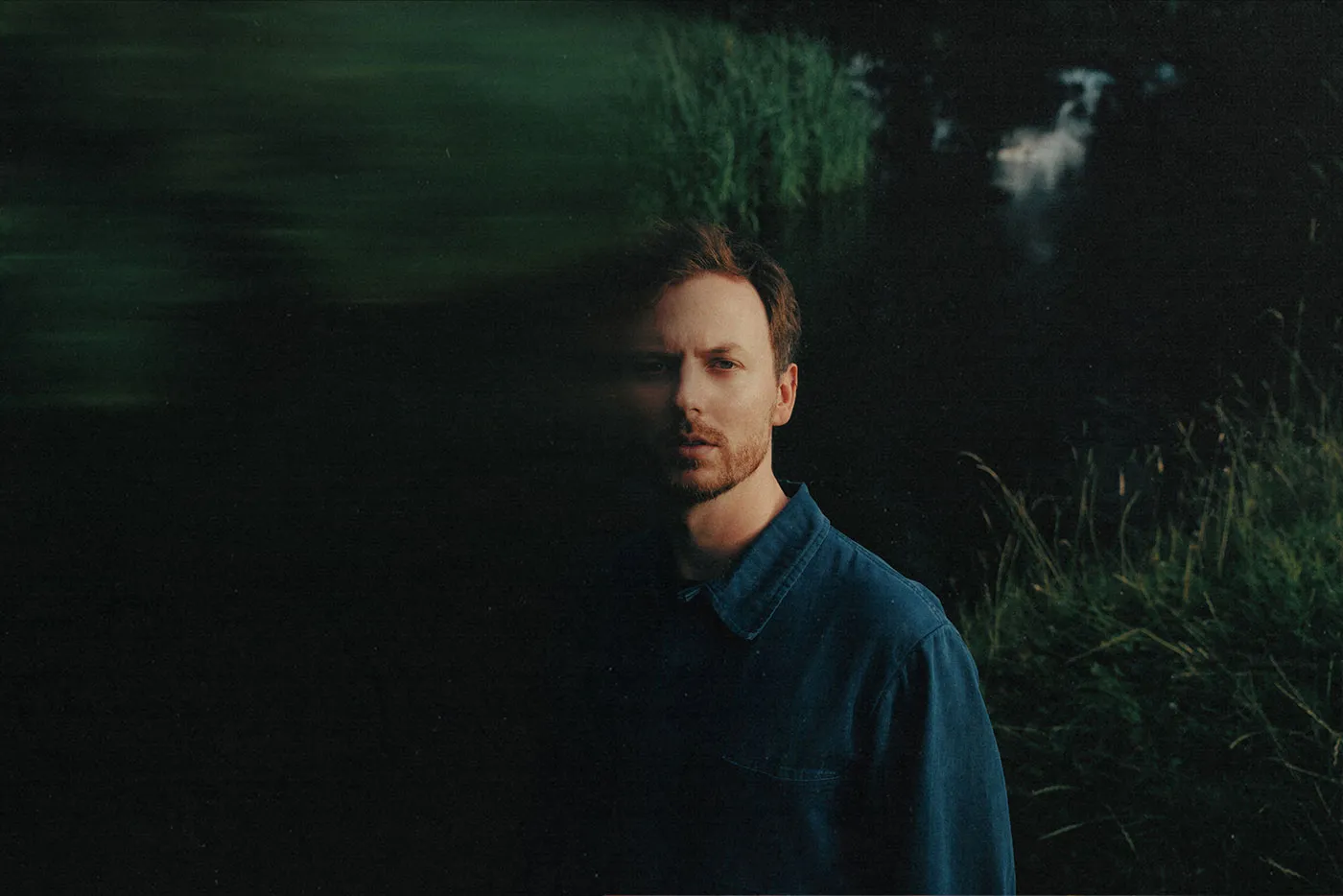
You have mentioned that you are doing a homecoming show in Newbury. Is that nerve-wracking for you?
It’s definitely a different feeling. I think it’s easier to play to thousands of people you’ve never met than five people you know. I’m really lucky that my hometown shows now get quite a lot of people, which is testament to the amazing support I have here. Luckily, there’s a bit of enough people where I’m not able to focus necessarily on individual faces. Because there’s definitely people that I see, or really close friends. If I was able to look dead into their eyes, it would be quite intense.
What do you carry with you from Newbury today? How does it influence your music?
I think I owe Newbury a lot musically, in terms of the band scene when I was 14, 15, 16. I was really strong with a lot of like youth clubs and small venues that really supported the bands, and I think that influence is definitely still there.
We’ve got one final question for you today. You’re at your homecoming show in Newbury. You’re at the end of the concert, and some 17-year-old kid comes up to you and asks, “Do you have any advice for someone about to start a life of music?”
I’d say a couple of things. I’d say only pursue it if you absolutely love it because it will test you and it will keep testing your result. And you’ve got to love making music. If you want to do it for reasons that are outside of music, I think it will beat you down. But if you do love it, you just got to go at it with all your heart.
For those who can follow Hicks to his homecoming Newbury show to celebrate the release of his latest album, it is surely an event not to be missed. I know that the writers here at Funktasy will be eagerly waiting to report on a tour that includes US tour dates the moment that it is released.