Black History Month – Reflections on 100 Years of Celebrations
This February marks the 100th annual Black History Month. The first conception of Black History Month was in 1925 by highly influential African American historian and founder of the Association for the Study of African American Life and History (ASALH), Carter G. Woodson. Woodson wanted to popularize the works and findings of himself and his contemporary African American intellectuals, and therefore declared the first Negro History Week to take place in February of 1926. Negro History Week started gaining traction throughout the 1920s and 30s, with the first month-long celebrations occurring in the 1940s. The 1960s brought more national attention to the month-long observances, and in 1976, fifty years after the first Negro History Week, the ASALH officially institutionalized Black History Month. The ASALH serves as the touchpoint for Black History Month and leads celebrations that bring communities nationwide together during this historic event.
Courtesy of ASALH
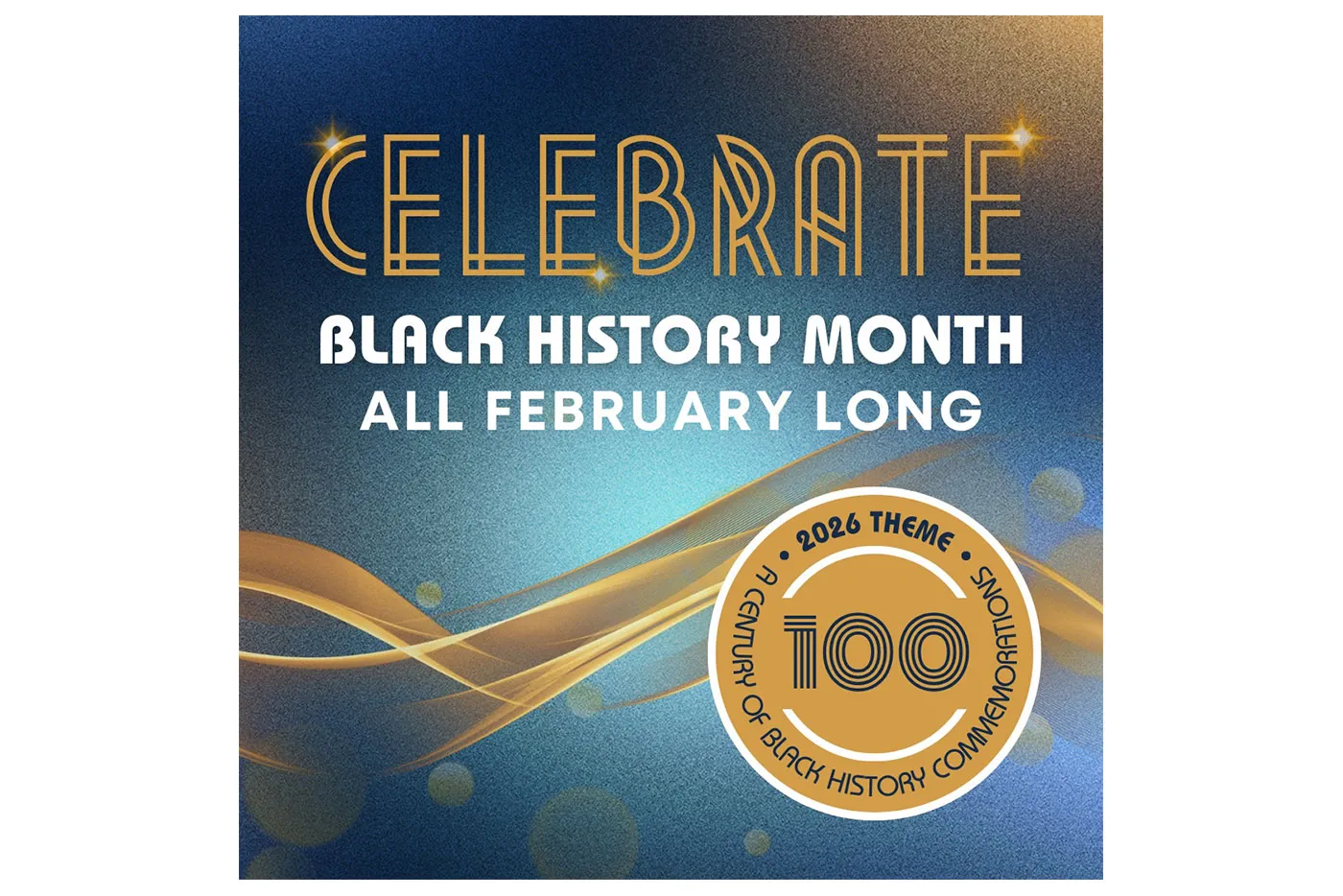
Part of the work the ASALH does for Black History Month is to create a theme, which is encouraged to be used by the public alongside any African American history events. The past few themes include 2025’s “African Americans and Labour,” 2024’s “African Americans and the Arts,” and 2023’s “Black Resistance.” This year, the theme is “A Century of Black History Commemorations,” which celebrates the impactful efforts of events that surround and monumentalize Black history and culture.

In honour of the annual theme, here are some reflections on a few of the events and initiatives taken during this year’s Black History Month. By featuring African American commemorations, we hope to encourage you to get involved in the now globally recognized tradition. From your local park to the biggest museum in your area, there are thousands of ways to observe this longstanding effort and continue to keep the memory of its founders alive. Ultimately, this year’s theme highlights the long-standing dedication to crystallize reflections and celebrations of Black history, and the best way to support it is through involvement.
Courtesy of Harlem Fine Arts Show
Black History Month Festivals
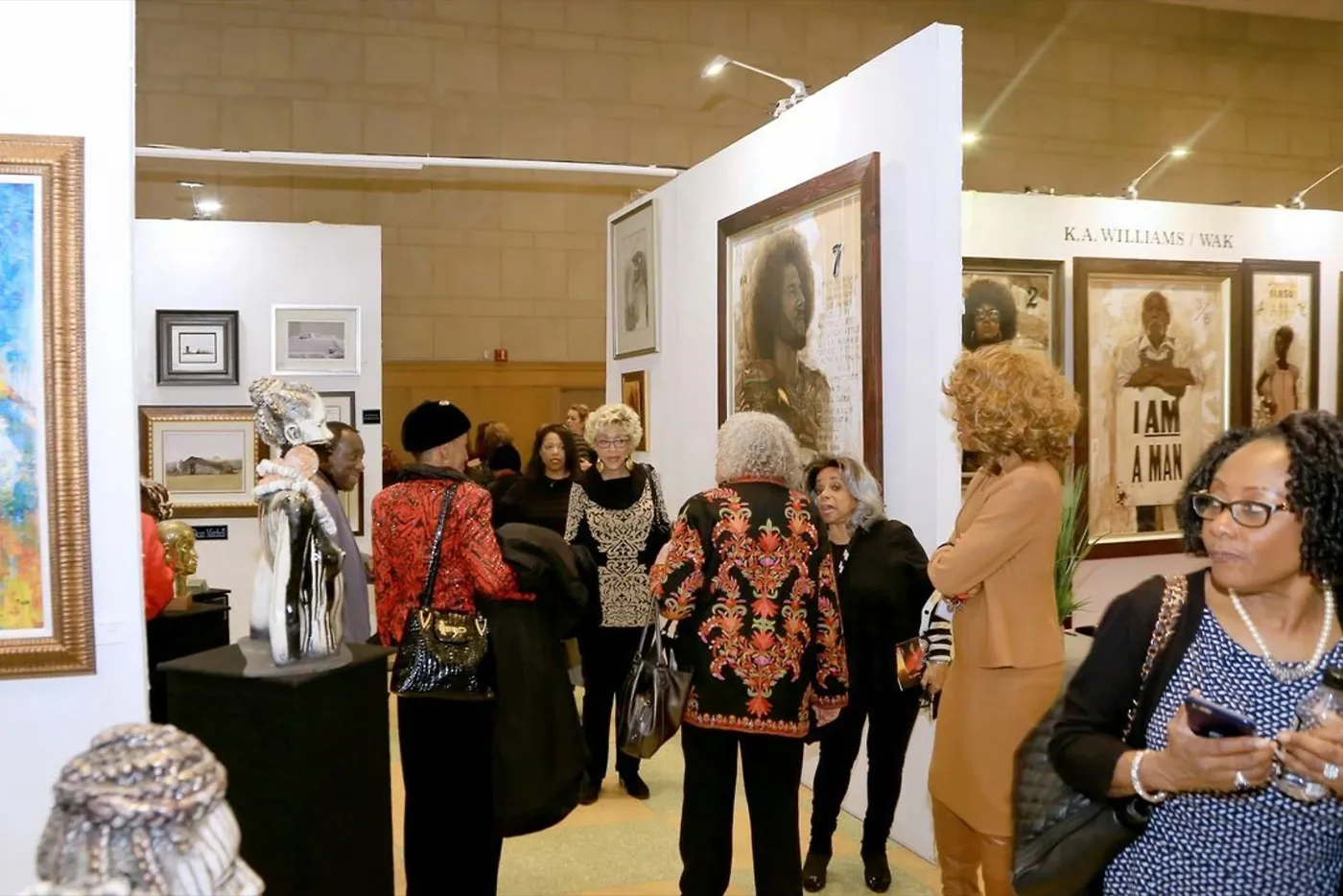
Black History Month Festivals are a popular way to celebrate, with performers, activists, vendors, and community organizers coming together to highlight the works of local Black achievements. One such festival was Pasadena’s Black History Festival, which has been occurring for 44 years. This year, in light of the devastating LA fires from last year, as well as the national ICE raids targeting immigrant communities, the Black History Festival helped the Southern California community to come together at the intersection of hardship and celebration. On the East Coast, there is the Harlem Fine Arts Show, which hosted its 18th annual event at the Glasshouse to bring together Black scholars, creators, professionals and collectors to create an exhibit and marketplace focused on art, medicine, media & innovation.
Other major festivals across North America include the highly popular Black Joy Parade in Oakland, California, and the month-long KUUMBA Festival in Toronto. More focused festivals include the Black History Film Festival with locations in Atlanta, DC, Miami, and Oakland, as well as the Black History Month Performance Series by the National Museum of African American History and Culture, the largest museum focused on African American history and culture, celebrating creative expressions.
Courtesy of The DuSable
Exhibits
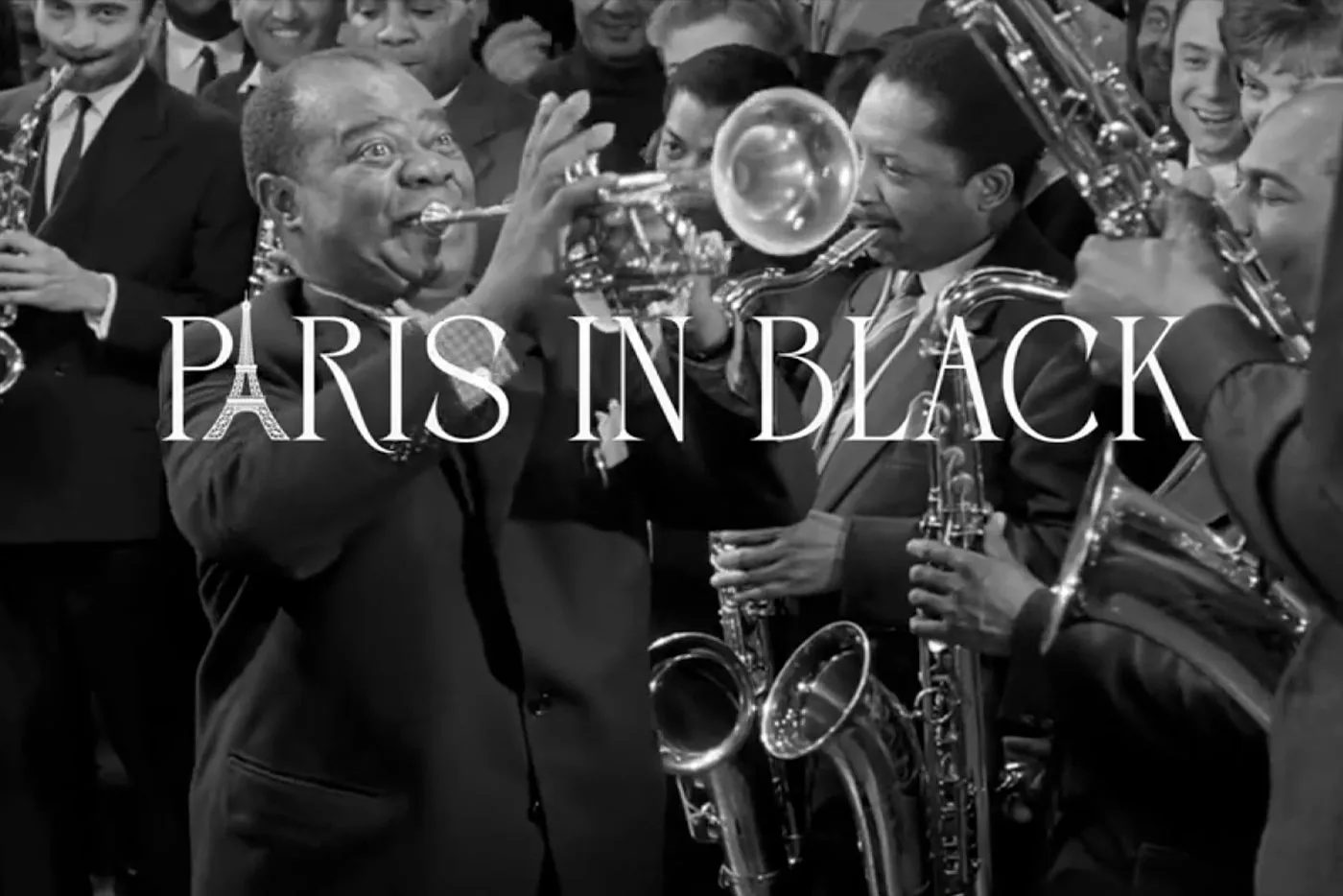
There are plenty of exhibits in honour of African American history as well, a lot of which will be available beyond the month of February. In Chicago, there is a fascinating exhibit on international Black art called Paris in Black at the DuSable Museum of Black History and Education Center, which will be available until April. In Detroit, the Charles H. Wright Museum of African American History’s 60th Anniversary exhibit honouring their founder, Charles H. Wright, coincides with Black History Month and runs into April as well. For jazz fans, the Portland Museum of Art has an exhibit celebrating the works of photographer Ming Smith, who is known for capturing moments in the arts, particularly jazz. Check out Ming Smith: Jazz Requiem–Notations in Blue now.

Digital Black History Month
In the age of technology, there were also plenty of online initiatives to celebrate African American history. ASALH’s opening event was held online and featured an impressive panel of the world’s foremost scholars, lawyers, and professionals. The AARP also offered many virtual events, including a virtual tour of Maggie L. Walker’s home, a Caribbean cooking demo, and the history of Black midwives. The NMAAH offers a Digital Toolkit for Black History Month, equipping patrons with a wide range of resources. The Center for Racial Justice offers a similar page titled “Black History Month Resources For Educators and Families,” which focuses on celebrating Black History Month in the classroom. These centralized resources are a great way to make commemorating Black History accessible and easy to navigate.
Bennett Raglin/Getty Images
On the Horizon
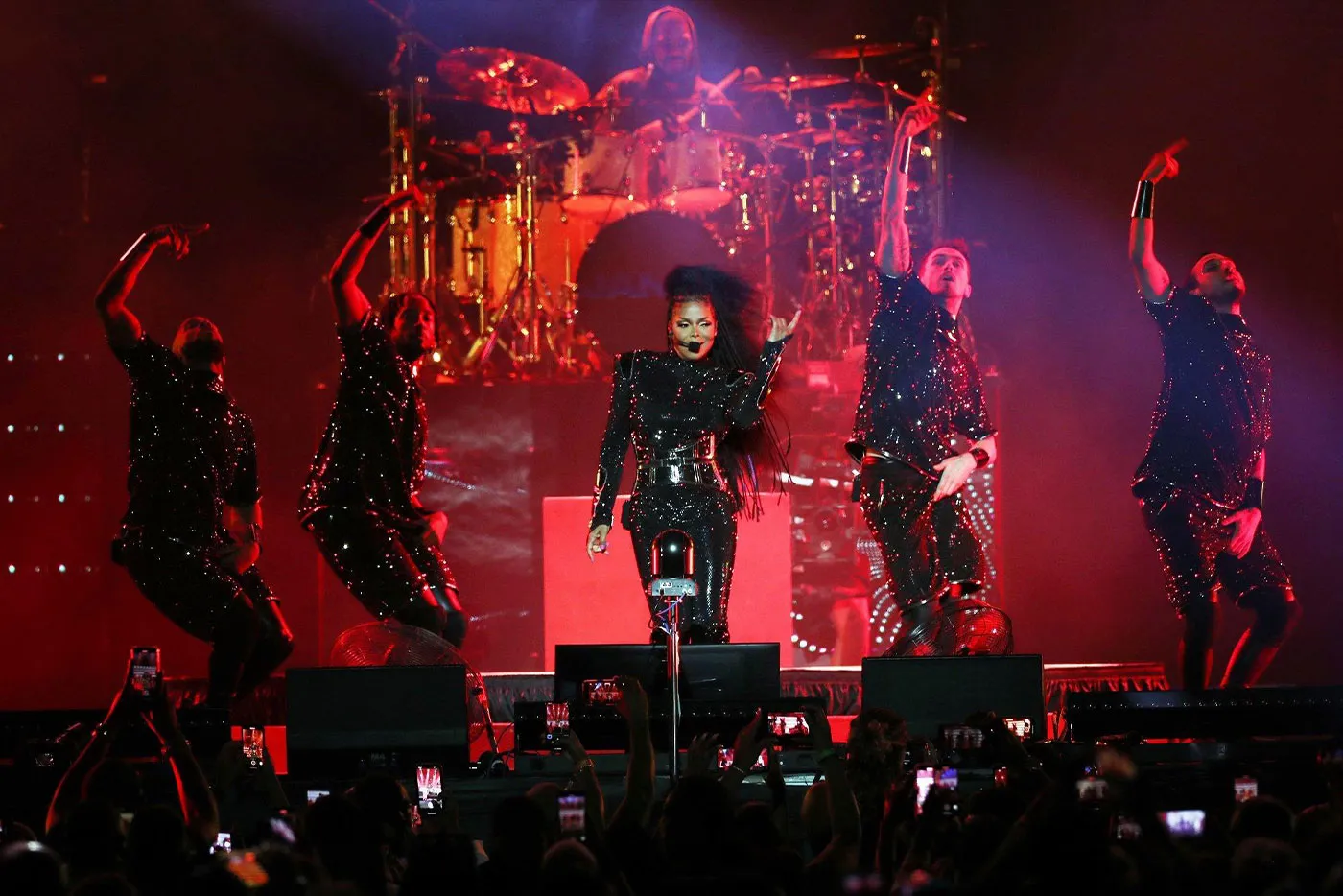
To continue honouring Black history commemorations beyond February, keep an eye out for more events centred on Black history and culture. The Tampa Bay Black Heritage Festival is set for April 25th and 26th, and is set to feature musical performances, professional seminars, and a gala. There is also the Essence Festival of Culture, which will take place this year from July 3rd to 5th in New Orleans. The largest festival dedicated to Black art and culture, it consistently draws in huge crowds with high-profile performers such as Al Green, Beyoncé, Prince, and Lauryn Hill.
This year’s Black History Month was filled with unique and innovative ways that reflected the annual theme of “Century of Black History Commemorations.” To continue supporting Black history commemorations, engage with your local communities, check the event pages of your city or neighbourhood, look through the exhibits of your favourite museum, or browse Partiful, Eventbrite and Meetup, or do a simple search through social media. Engagement is impact.
For more African American history, read about Sister Rosetta Tharpe.