Analog Sound Setting Standards as New Luxury
For a long time, music has been something we live around. It plays while we answer emails, scroll, cook and commute. Streaming made it effortless, infinite, and almost invisible. And yet, lately, more people are choosing to slow the whole thing down. They’re buying records. Setting up turntables. Sitting on the floor just to listen.
The analog sound hasn’t come back loudly. It’s crept in quietly, through small rituals and personal habits. And that’s part of what makes it feel luxurious.
Vinyl Is Back — But Not the Way It Used to Be
There’s no denying that vinyl is popular again. According to the Recording Industry Association of America, vinyl sales in the U.S. have grown every year since the mid‑2000s, reaching over 43 million records sold in 2023 and generating more than $1 billion in revenue. Vinyl has now outsold CDs for multiple consecutive years — something few people would have predicted twenty years ago.
What’s interesting is who is buying records. Industry research from outlets like Billboard and the New York Times shows that a large share of vinyl buyers are under 35. Many of them grew up entirely on streaming platforms. So, what role are records filling for audiences? Streaming is still where discovery happens. Vinyl is where commitment happens.
Listening Feels Different When You Have to Do Something First
There’s a small moment that happens before a record plays. You choose it. You take it out of the sleeve. You clean it, maybe. You lower the needle and wait for that soft crackle. That moment changes how you listen.
You’re less likely to skip tracks. You’re more likely to sit through songs you might otherwise pass over. You notice transitions, pacing, quiet details. Listening stops being passive and starts feeling intentional, not because you’re trying to be mindful, but because the format asks you to be.
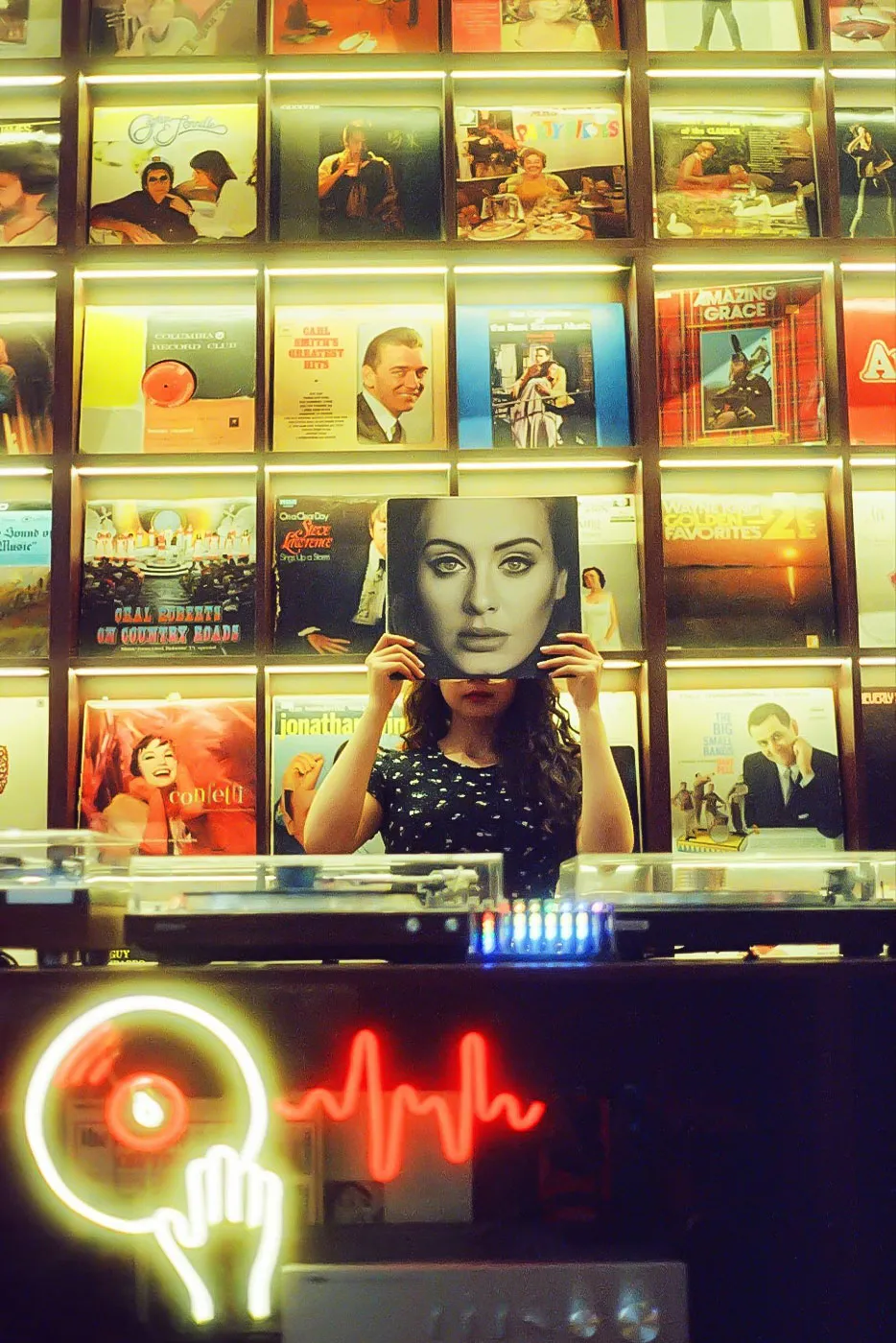
Photo by Julio Rionaldo on Unsplash

It’s Not Just About Sound Quality
People love to debate whether vinyl sounds “better.” Warmer, richer, more real. The truth is complicated. Audio engineers often point out that many modern vinyl records are pressed from digital masters, and technically, high‑resolution digital files can outperform analog in clarity.
But surveys and interviews published by outlets like The Guardian and Pitchfork suggest that listeners aren’t chasing technical perfection. They’re chasing experience. A 2022 survey by the Recording Industry Association of America found that vinyl listeners are significantly more likely to listen to full albums rather than individual tracks, and to spend uninterrupted time with music.
That shift in behavior matters. Analog listening changes not just how music sounds, but how long we stay with it.
Let’s Talk About the Aesthetic (Because It Matters)
Yes, vinyl looks good. Records are graphic objects. Turntables have evolved into design objects, shifting from tools of entertainment to the centerpiece of the living room. Shelves of albums now double as décor. But that doesn’t mean the whole thing is fake or shallow.
We’ve always connected to music visually and physically — liner notes, cover art, ticket stubs, posters. Analog brings that back into the room. It gives music weight. Presence. Something you can see and touch, not just hear for three minutes and forget.
For some people, collecting records is about listening every night. For others, it’s more occasional — tied to mood, memory, or certain albums that deserve full attention. Both are real ways of engaging.
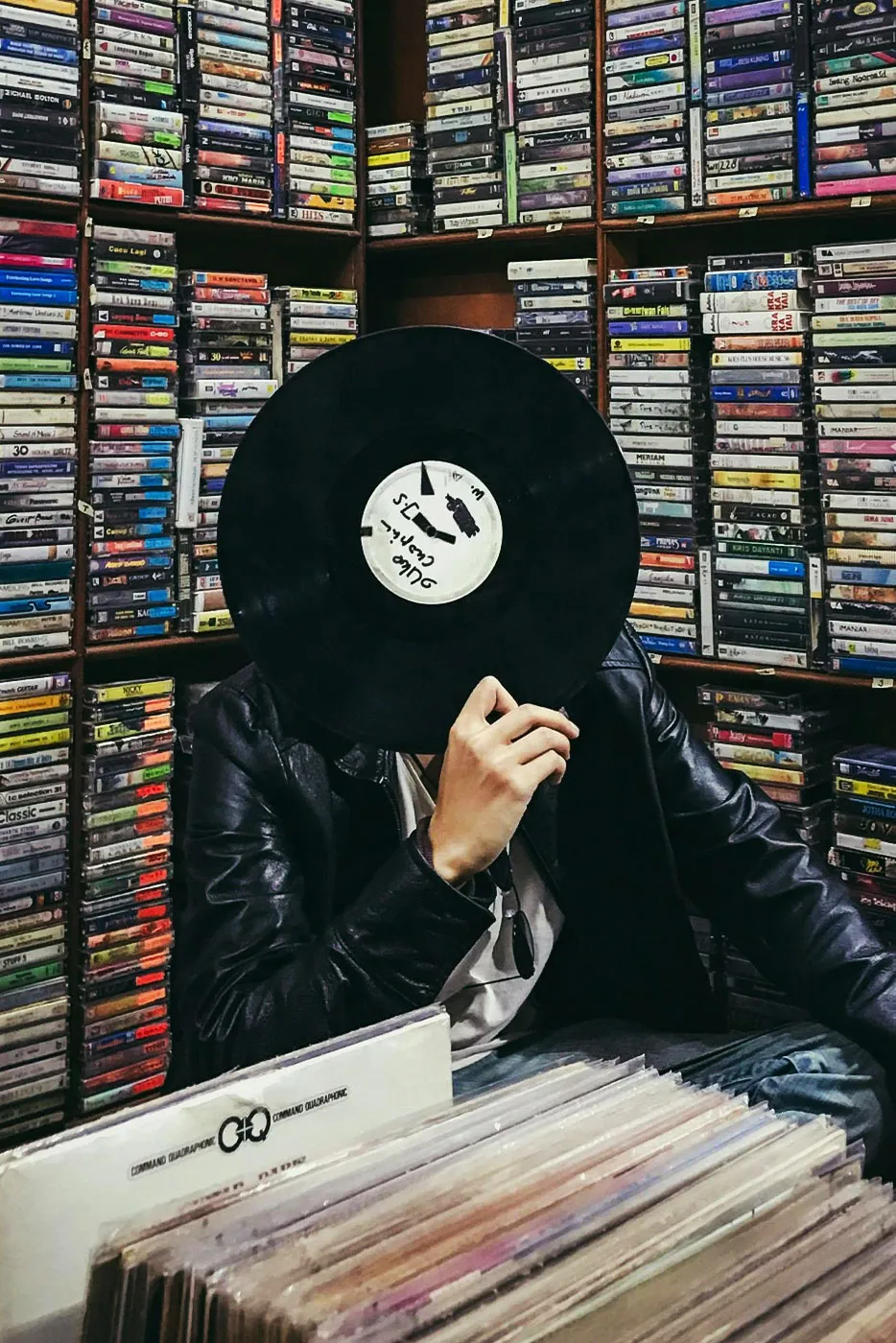
Photo by Hưng Phạm on Unsplash
Why This Feels Like Luxury Now
Luxury used to mean access. Now it feels more like experiential space. Time without interruption. Attention without distraction. An experience that can’t be sped up or optimized.
Market research firms tracking consumer behavior have noted a broader shift toward what they call “slow consumption,” whether that’s vinyl records, film photography, or handcrafted goods. This movement signals a desire to engage more intentionally with what we own, to spend time with objects rather than move quickly through them. Modern luxury is no longer defined solely by price or logos, but by depth of experience and emotional connection. As Forbes has observed, luxury has shifted toward personalized, meaningful experiences that align with consumers’ values and sense of identity. In this context, vinyl isn’t just a format for listening to music; it becomes a ritual, a commitment to attention, and a way of treating music as something to be lived with rather than passively consumed.
Likewise, young buyers today often prioritize experience over ownership, choosing meaningful moments over simply accumulating goods analog sound fits into that shift naturally. It asks for your hands, your time, your focus. It doesn’t compete with notifications. It doesn’t autoplay. It waits. And maybe that’s why it’s coming back, not as a rejection of digital life, but as a way to carve out moments within it.
Listening, really listening, has become rare. Analog doesn’t fix that entirely, but it nudges us in a different direction. Toward slowing down. Toward choosing music instead of letting it choose us. In a world that never stops talking, that kind of listening feels quietly radical, and deeply luxurious.