The Art of Conscious Immersion
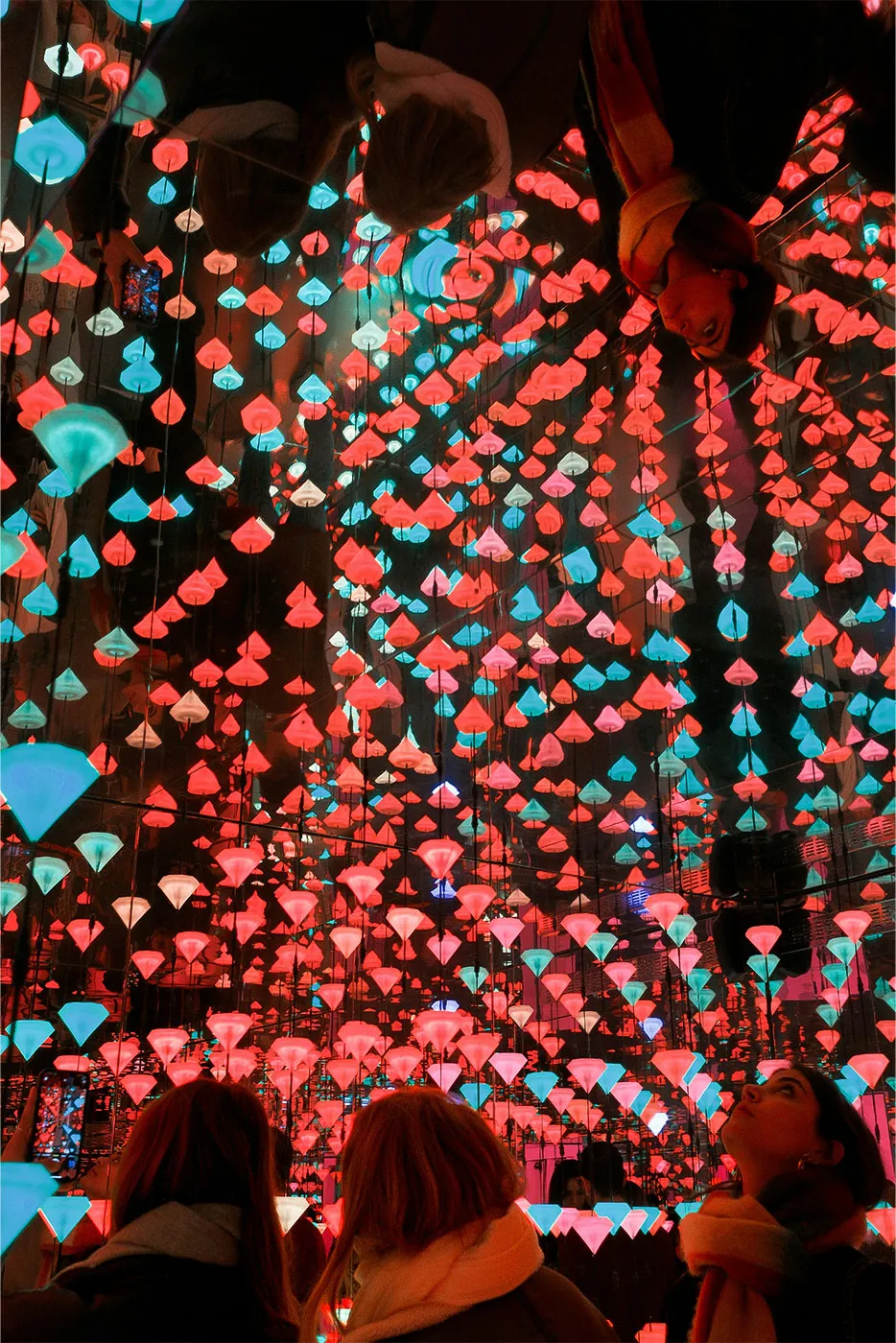
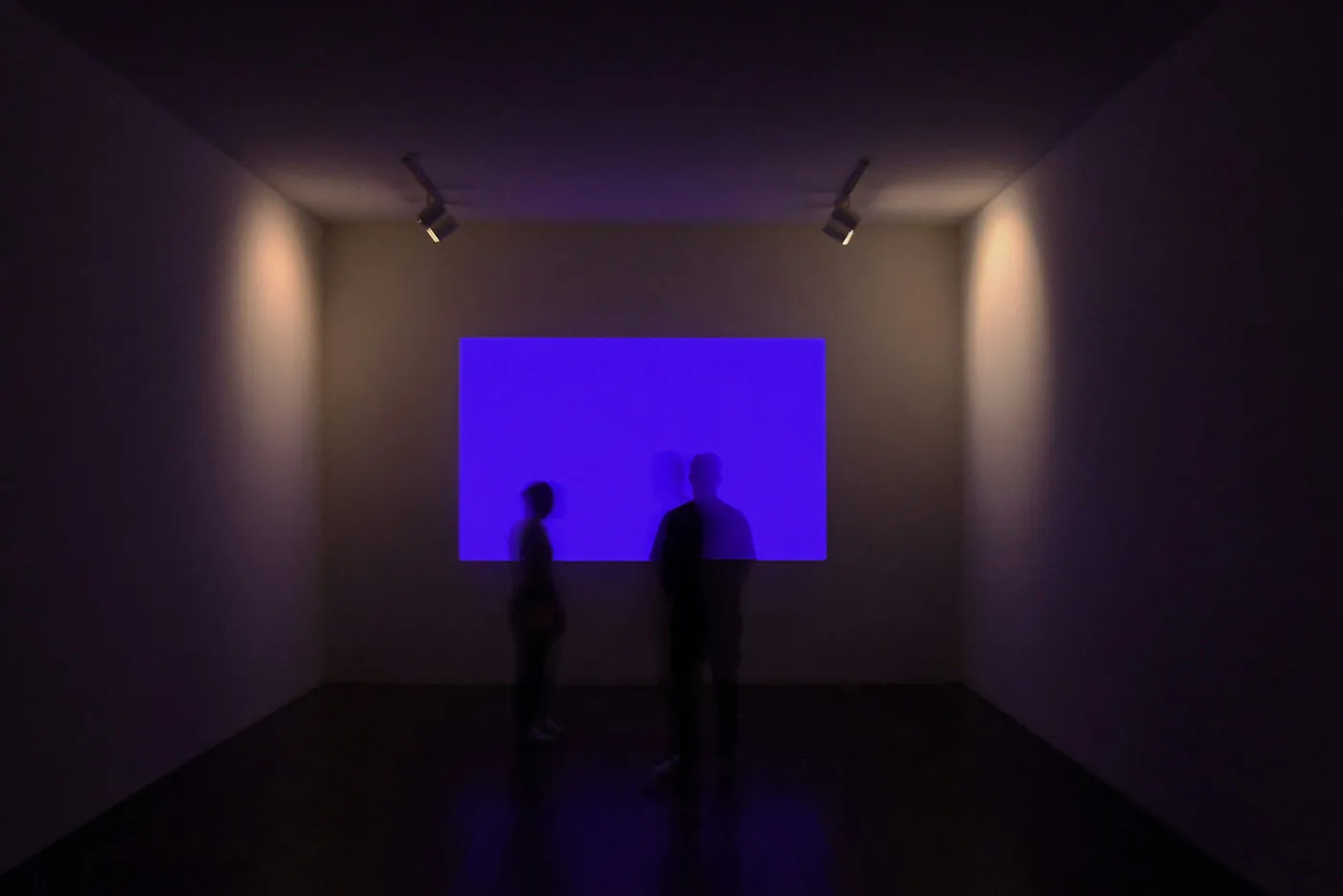
We live in a world where the most heartfelt creative art pieces are reduced to thumbnails competing for a piece of our declining attention span. This form of rapid consumption has turned us into viewers who skim the surface of art without ever diving into it. The solution to this is in the practice of conscious art, an intentional shift toward engaging with art while being present. To truly appreciate and view art in this age, we should recognize that just looking at a piece isn’t enough. We must learn how to settle into the work and allow it to take over our mental and emotional space.
Ruben Mavarez/Unsplash
Art as a Bridge for Empathy
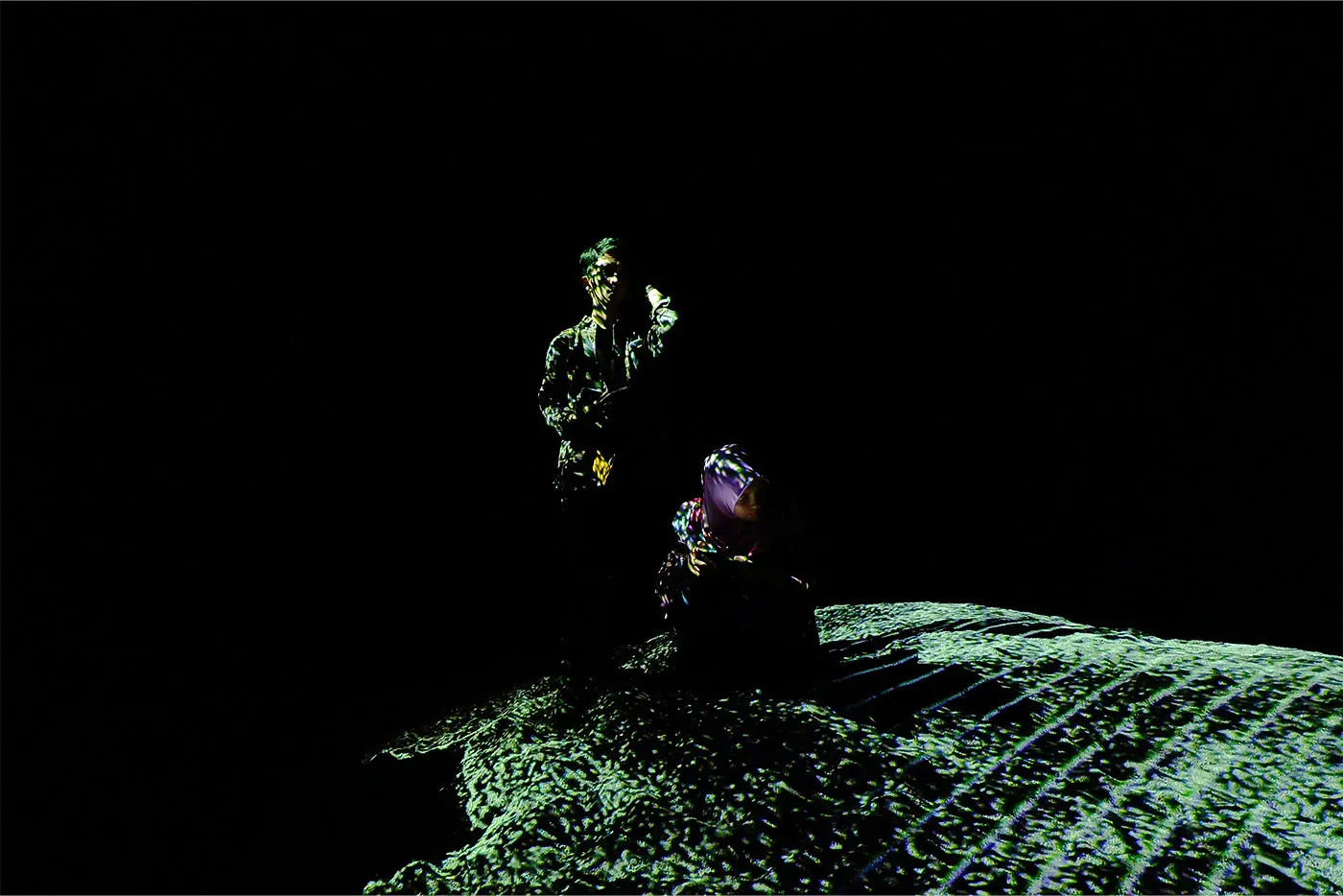
At the core of it, the point of art has never been about decoration. Art is a mirror into the human condition. When we stand in front of a piece of art with an open mind and examine every part of it, we often find our own suppressed emotions, hidden fears and joys reflected back at us in ways that words can’t explain in depth. Beyond this discovery, art functions as a bridge to create empathy. It allows us to step into the lived experience of another person, another culture or even another species. Furthermore, art acts as a form of living history, it is a permanent archive that can capture the emotional space and cultural shifts of a space of time.
Ludy Chatry/Unsplash
Depth Through Deliberate Presence
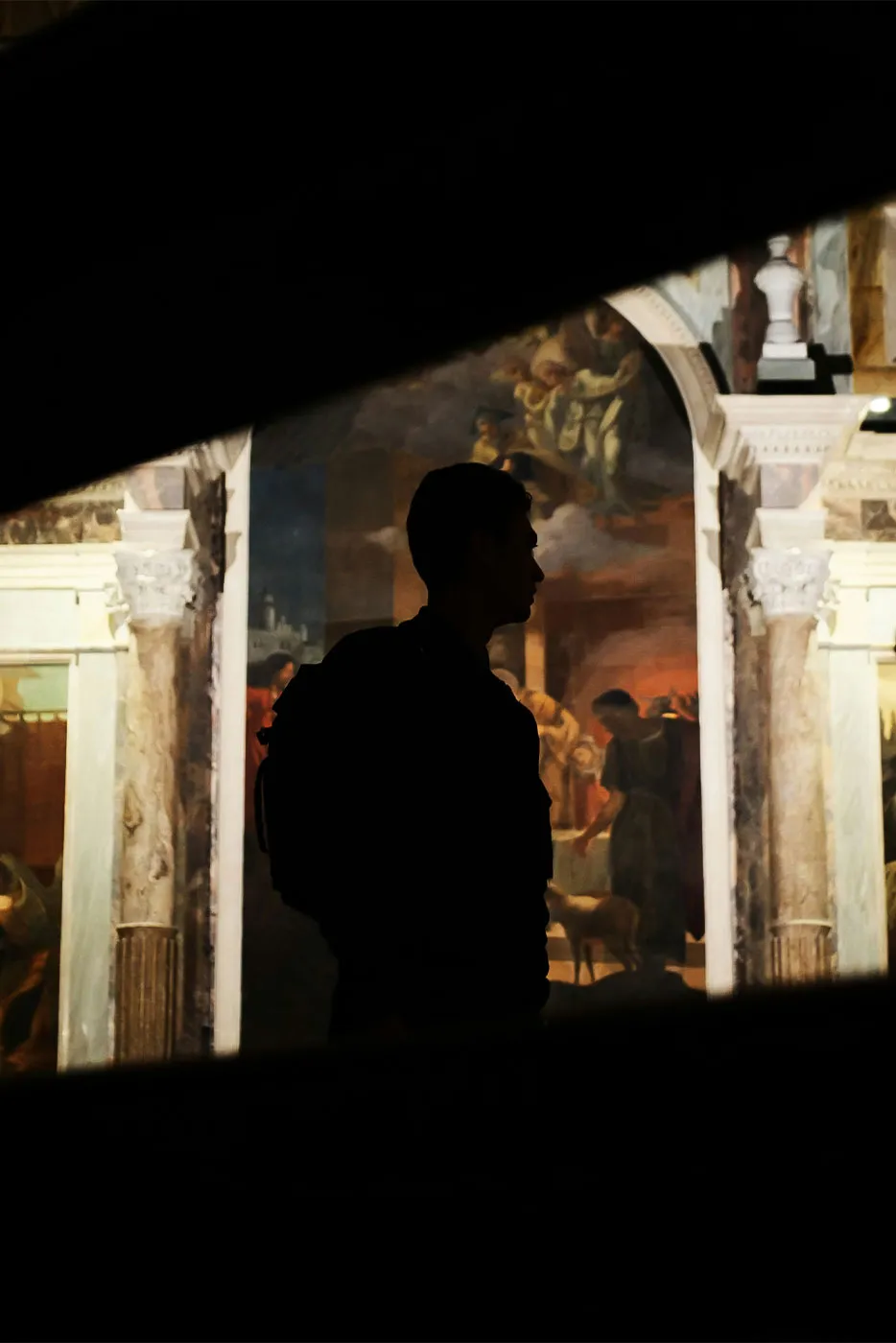
Practicing this level of immersion would require a commitment to the Slow Art movement. The movement asks us to spend at least 10 to 15 minutes with a single artwork before going to the next piece. It may seem like such a long time to spend with a piece, but this type of pacing allows us to move beyond a simple glance of the painting and begin real engagement with the work as a whole. It would cause us to start to notice the nature of the medium, the weight of a specific part, the type of the wood or the specific way the piece settles into the environment around it. We become aware of the silence or noise the work generates. This type of viewing is further enhanced by understanding the creator, considering their environment, their own personal struggles, and their own practices that ground the work in our reality.
Rafael Garcin/Unsplash
Carrying the Experience On
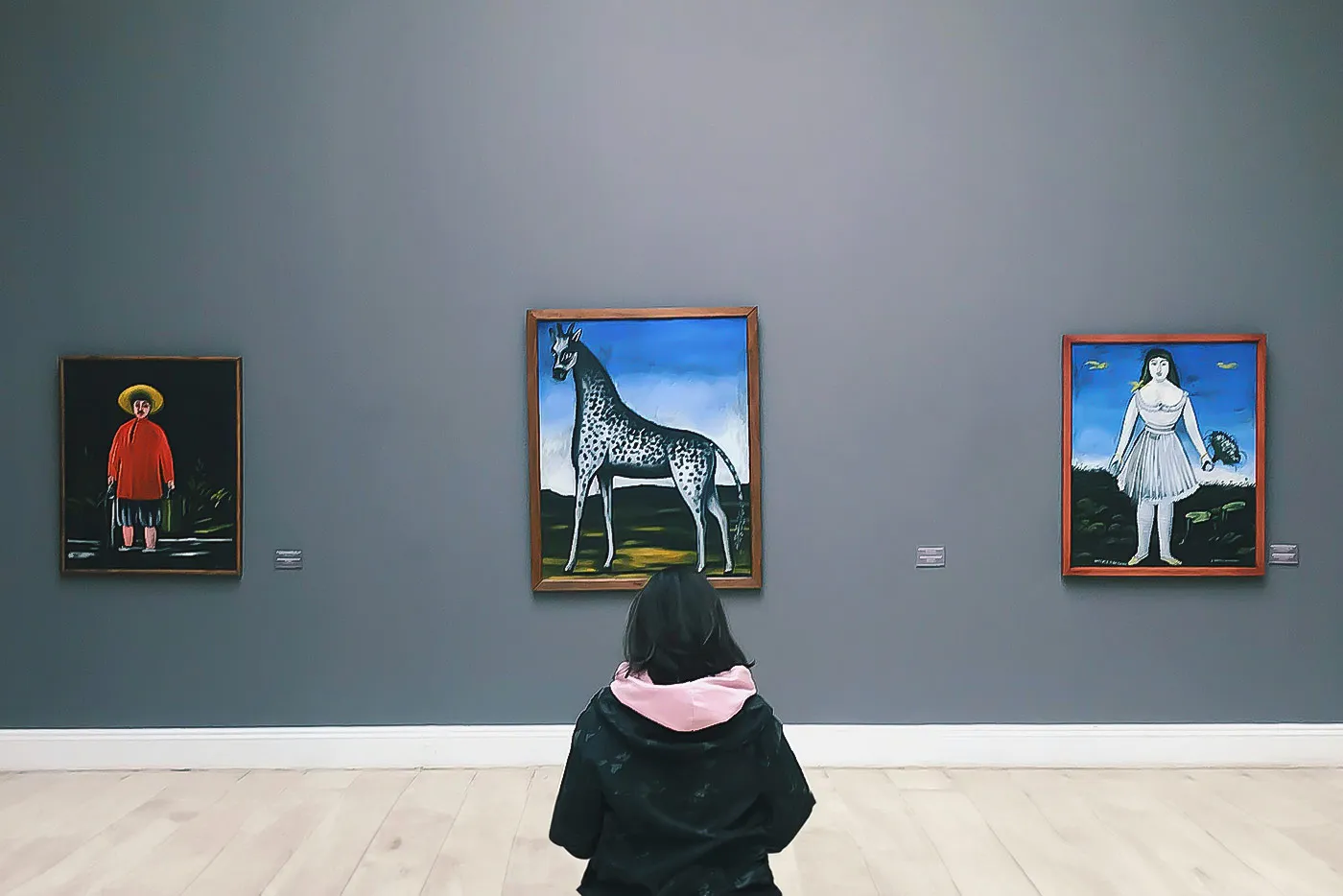
When we approach art with a level of acknowledgement, it will soon become the start of how we decide we want to live our lives. Immersive art has the power to take deep concepts, such as global warming or social injustice, and make them feel deeply personal to us. By witnessing art made from recovered materials or pieces that interact with the environment, we develop a deeper connection to the art work and the planet. This shift from passive glances to active realization and reflection can turn the viewer from a simple bystander into a participant.
Marishka Tsiklauri/Unsplash
In conclusion, the change offered by conscious immersion of art reminds us that art is a way to see the world in a different lens. Art is not just something we look at on a fun day at the museum, it is something that looks back at us and asks us to reflect on the things going on around us. By choosing to be conscious observers of art, we are doing way more than just supporting the arts, we are allowing a creative piece to complete its overall purpose. We give it the permission to change our perspective, develop our empathy and change our internal narratives. In the end, we do not just walk away from the canvas and leave it beforehand for another, we carry the canvas within us as we are forever altered by the encounter.
Max Harlynking/Unsplash